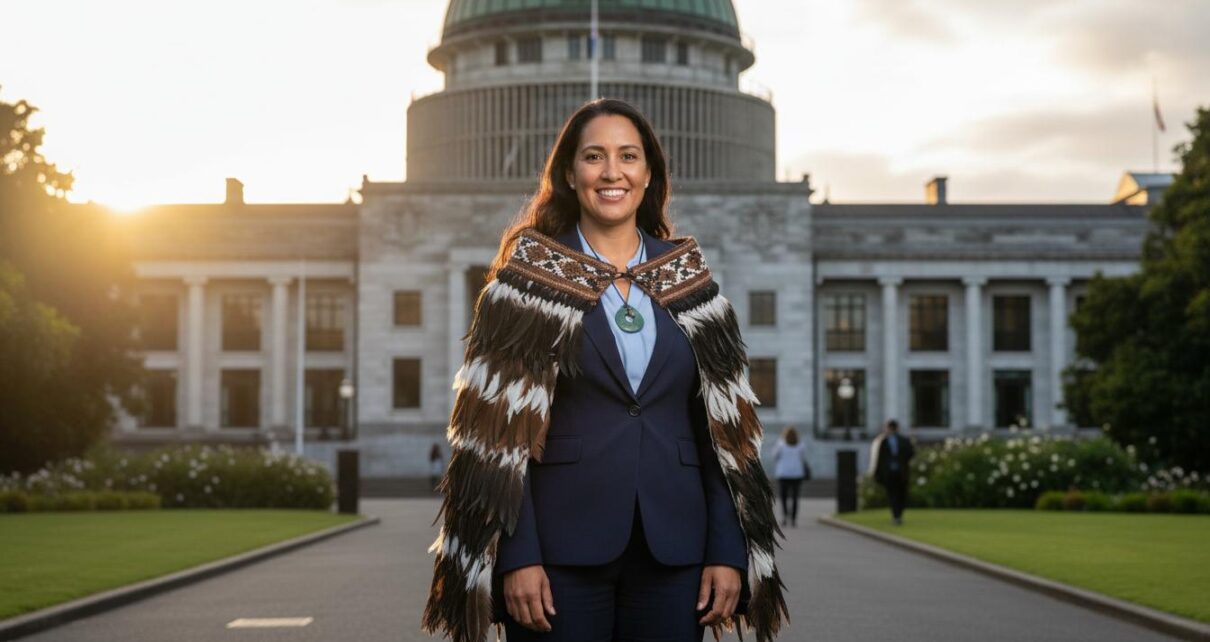
Ginny Andersen is a familiar name in New Zealand politics, especially to people in the Hutt Valley and those interested in community safety. If you’ve heard her in the news and want a clear, straight answer to who she is, what she does, and how her role affects everyday life, this guide breaks it down in simple terms. You’ll learn what ginny andersen represents in Parliament, how her work as a minister and MP fits into the New Zealand system, the kinds of initiatives she’s associated with, and how to engage with her office if you’re a constituent.
What is
Ginny Andersen is a New Zealand Labour Party politician. She served as the Member of Parliament for Hutt South from 2020 to 2023 and previously entered Parliament as a Labour list MP in 2017. In 2023, under Prime Minister Chris Hipkins, she was appointed Minister of Police. After the 2023 general election, Labour moved into opposition and she returned to the Opposition benches.
Her public profile is closely tied to community safety, policing policy, and hands-on electorate work in the Hutt Valley. Before entering Parliament, she worked in the public sector, including roles connected to justice and policing policy, which shaped her later ministerial focus on crime prevention and community policing. In short: ginny andersen is a Labour MP with experience at both grassroots and Cabinet levels, known for a practical, local-first style and a focus on safer communities.
How it works
To understand ginny andersen’s role, it helps to know how New Zealand’s system works. MPs are elected under MMP (Mixed-Member Proportional) and sit in Parliament either as electorate MPs or as list MPs. Ministers are MPs given executive responsibilities in government.
How an MP works day to day
- Electorate support: MPs help locals with issues like immigration cases, housing concerns, business problems, or benefit queries by connecting them to the right agencies.
- Law-making: They debate bills, vote on legislation, and sit on select committees that scrutinise policy.
- Community advocacy: MPs meet with schools, business owners, iwi and hapū, neighbourhood groups, and councils to pick up local issues and push for solutions in Wellington.
How a Minister of Police works
- Sets direction, not operations: The minister sets policy and funding priorities and is accountable to Parliament, but Police independently run investigations and operations.
- Budget and priorities: The minister steers funding for prevention, frontline staffing, technology, and victim support in Cabinet and the Budget process.
- Public accountability: The minister reports to Parliament, fronts the media, and answers questions on outcomes such as crime trends and response times.
| Role | Main focus | Accountability | How the public engages |
|---|---|---|---|
| Electorate MP (e.g., Hutt South) | Constituency cases, local issues, community voice in Parliament | Voters in the electorate and Parliament | Constituency office, clinics, local events, emails/phone |
| List MP | National policy work, party priorities, regional support | Party list voters and Parliament | Regional outreach, online updates, select committee work |
| Minister (e.g., Police) | Policy settings, budgets, national priorities | Cabinet, Parliament, media, public | Official statements, Beehive releases, select committee reviews |
Types / examples
1) Constituency work in the Hutt Valley
- Helping residents navigate agencies such as MSD, IRD, Kāinga Ora, and Immigration NZ.
- Backing local safety improvements—better lighting, CCTV at hotspots, crossings near schools—by connecting councils and community groups with funding channels.
- Regular clinics and drop-ins so locals can raise issues in person.
2) Parliamentary work
- Debating bills and participating in select committees that examine the detail of law changes.
- Advocating for policies linked to community safety, victims of crime, and crime prevention.
- Contributing Hutt Valley perspectives to national debates on transport, housing, and resilience.
3) Ministerial initiatives (Police) — how they typically look
While Police run operations independently, a Police Minister can champion national priorities. During 2023, ginny andersen emphasised safer communities, retail crime prevention, and support for frontline policing. The shape of initiatives in that space often includes:
- Retail crime prevention tools such as fog cannons, bollards, and better store security plans (funding and guidelines are set nationally; retailers apply locally).
- Youth offending responses that join up Police, schools, social services, and whānau-focused programmes to reduce reoffending.
- Frontline capability—investments in staff, training, and technology that help Police respond faster and smarter.
Pros and cons
Public figures like ginny andersen attract both support and critique. Here’s a balanced look, focused on how her roles affect people and policy.
Pros
- Local focus: Strong electorate ties in the Hutt Valley mean local issues can reach Wellington quickly.
- Public service background: Experience in justice and policing policy helps navigate complex safety challenges.
- Hands-on approach: Emphasis on practical measures—prevention tools, community policing, and support for victims.
- Clear accountability: As a former minister and current MP, she is answerable in Parliament and to voters.
Cons
- Political cycles: Election swings can change who holds the electorate or the ministerial seat, shifting priorities.
- Limits of the role: The Police Minister cannot direct investigations; results depend on operational decisions and long-term social factors.
- Trade-offs: Funding for policing competes with health, housing, and education; not all communities see improvements at the same pace.
- High expectations: Public concern about crime can exceed what policy changes alone can quickly deliver.
How to use or choose
How to engage with ginny andersen if you’re a constituent
- Identify the issue: Write down what’s happened, who’s involved, and what you need (advice, advocacy, or information).
- Collect documents: Include reference numbers, letters from agencies, and any timelines.
- Contact the office: Use the official Parliament page or her social media to find current email and phone details for the electorate office.
- Be clear and concise: In your email, state the problem and the outcome you’re seeking in a few sentences.
- Attend a clinic: If it’s sensitive or complex, book a face-to-face meeting; bring documents.
- Follow up: If there’s no response after a reasonable time, send a polite reminder with your original reference.
How to evaluate her record and approach
- Check Parliament resources: On parliament.nz, read Hansard (debates), Written Questions, and voting records.
- Read official statements: Beehive.govt.nz houses ministerial releases from her time in government; look for policy priorities and timelines.
- Look at outcomes: For policing, compare trends like reported retail crime, youth offending measures, or frontline resourcing over time on police.govt.nz and Statistics NZ (stats.govt.nz).
- Review local results: Hutt City Council and Greater Wellington Regional Council meetings often surface local safety and transport issues where an MP’s advocacy matters.
- Balance sources: Use trusted media, official data, and select committee reports to form a rounded view.
FAQ
Who is ginny andersen?
She is a Labour Party MP from the Hutt Valley, known for community-focused politics and for serving as Minister of Police in 2023 under Prime Minister Chris Hipkins.
Which electorate has she represented?
Ginny Andersen represented Hutt South from 2020 to 2023. She first entered Parliament as a Labour list MP in 2017. After the 2023 election, Labour moved into opposition and she continued as an opposition MP.
Is ginny andersen currently a minister?
No. Following the 2023 general election, the Labour Party went into opposition. She previously served as Minister of Police in 2023.
What does a Police Minister actually do?
The Police Minister sets policy direction and funding priorities for Police and answers to Parliament. Police maintain operational independence: ministers cannot direct arrests, charges, or specific investigations.
What are her key policy interests?
Community safety, prevention-focused policing, and strong local representation in the Hutt Valley. Her public statements have emphasised practical crime prevention and support for victims, alongside wider Labour priorities in jobs, transport, health, and education.
How can I contact ginny andersen?
Use the official Parliament profile on parliament.nz to find current contact details for her electorate or parliamentary office. You can also follow her verified social media channels for updates on clinics and local events.
How do I find what she said in Parliament?
Visit parliament.nz and search Hansard for “Ginny Andersen.” You can read speeches, questions, and debates. For ministerial announcements from 2023, check beehive.govt.nz.
How do I check her voting record?
Parliament.nz provides information on bills and votes. Media summaries and select committee reports also help explain the context around key votes.
What local issues has she focused on in the Hutt?
Constituency work typically includes safety around town centres, support for small retailers affected by crime, safer routes for schools, flood resilience, and better public transport connections—all issues commonly raised by Hutt Valley residents.
How can a resident get help with a crime-related issue?
- In emergencies, call 111.
- Report non-emergencies to Police via 105 or online at police.govt.nz.
- If you need advocacy with an agency or feel stuck, contact your local MP’s office with the details and reference numbers.
Final thoughts
Whether you support Labour or not, understanding how ginny andersen works—as a local MP and as a former Police Minister—helps you make sense of crime policy, community safety efforts, and how national decisions reach street level in the Hutt Valley. If you’re a constituent, her office is there to help. If you’re simply curious about policing and politics in Aotearoa, her career offers a clear window into how policy, budgets, and community voices meet.