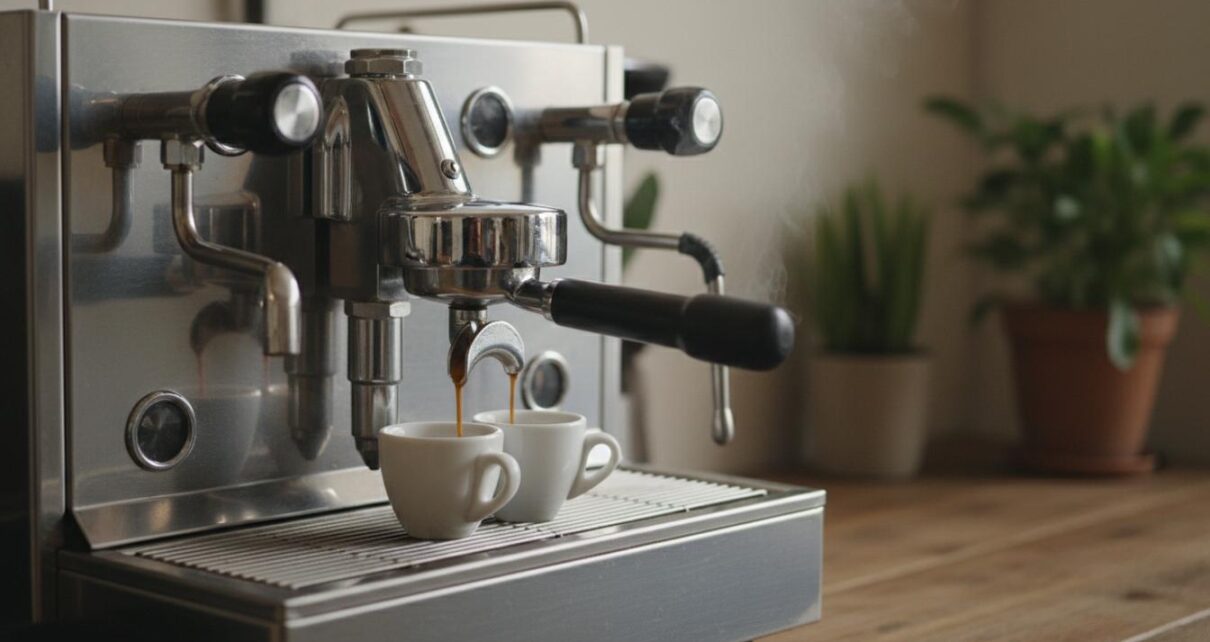
New Zealanders take coffee seriously. From a silky flat white in Auckland to a long black in Dunedin, many of us want café taste at home without the daily queue. A good coffee machine can deliver that—if you choose the right one and treat it well. This guide explains what a coffee machine is, how it works, the main types you’ll find in NZ stores, and which suits your taste, budget, and kitchen. You’ll also get simple steps to brew better and maintain your gear for years.
What is
A coffee machine is an appliance that automates part or all of the brewing process to turn ground coffee (or capsules) into a finished drink. Some focus on espresso, which forms the base of flat whites, lattes, and cappuccinos. Others brew filter coffee for a clean, black cup. Machines range from hands-on espresso makers with a portafilter to fully automatic, bean-to-cup units that grind, brew, and even steam milk for you.
In New Zealand, most household models run on 230–240V, 50 Hz power with the standard Type I plug. That matters if you’re importing a coffee machine—stick to models compatible with NZ power and safety standards.
How it works
Brewing basics
- Heat: A boiler, thermoblock, or thermocoil heats water. Espresso needs stable water around 90–96°C. Many premium espresso machines use PID controllers for steady temperature.
- Pressure: A pump (usually vibration; higher-end units may use rotary) pushes hot water through compacted coffee at about 9 bars of pressure to extract flavour and crema.
- Grind: The grind size and dose control flow rate and taste. Finer for espresso, coarser for filter. Consistent grinding is crucial.
- Milk: Espresso machines with steam wands heat and texture milk using pressurised steam—key for NZ-style flat whites.
Inside the machine
- Boilers vs thermoblocks: Boilers hold hot water and are steady but take longer to heat. Thermoblocks heat on demand and warm up faster but can be less temperature-stable, depending on design.
- Grouphead/portafilter: Where the water meets the coffee puck. Common basket sizes are 54 mm and 58 mm. Larger sizes (58 mm) are standard in cafés and many prosumer machines.
- Flow and pre-infusion: Some machines wet the puck gently before full pressure to even out extraction and reduce channeling.
Water quality and NZ context
Good water makes better coffee and a longer-lived coffee machine. Tap water hardness varies by region. Many NZ cities have relatively soft water; some bore supplies are harder. Check your local council’s water report or use a simple test strip. Filtered water helps taste and reduces scale. Descale on schedule to avoid damage—more on that below.
Types / examples
Common coffee machine categories in NZ
- Manual/semi-automatic espresso machine: You grind, dose, and tamp; the machine supplies hot water and steam. Popular with home baristas. Brands often seen in NZ include Breville, De’Longhi, Sunbeam, Rocket, and Lelit.
- Bean-to-cup (automatic): Built-in grinder, one-touch brewing, often automatic milk texturing. Easy and consistent, ideal for busy households.
- Pod/capsule coffee machine: Single-serve convenience with pre-packaged capsules. Quick, tidy, and compact. Nespresso and other capsule systems are common.
- Filter/drip coffee machine: Brews a pot for multiple cups; clean, lighter body than espresso. Great for long blacks without the intensity of espresso.
- Hybrid/specialty: Lever espresso machines, moka pots with electric bases, or manual brewers paired with electric kettles (not strictly “machines,” but often considered in the same shopping basket).
Quick comparison
| Type | Best for | Skill needed | Speed | Ongoing cost | Maintenance | Typical NZ price (approx) |
|---|---|---|---|---|---|---|
| Manual/semi-auto espresso machine | Flat whites, cappuccinos, espresso shots | Medium–High | Moderate | Low–Medium (beans + milk) | Moderate (cleaning, descaling) | $400–$5,000+ |
| Bean-to-cup (automatic) | One-touch milk drinks, consistency | Low | Fast | Medium (beans + cleaning products) | Moderate (rinse cycles, descaling) | $700–$3,000 |
| Pod/capsule coffee machine | Speed, small kitchens, minimal mess | Very Low | Very Fast | High per cup (capsules) | Low–Moderate | $100–$500 |
| Filter/drip coffee machine | Black coffee for several people | Low | Fast (batch) | Low (beans + filters) | Low–Moderate | $80–$500 |
Pros and cons
Owning a coffee machine at home
- Pros:
- Convenience and control: Brew your way, any time.
- Cost per cup: Usually far less than café prices once you’re set up.
- Customisation: Dial in beans, milk texture, and temperature to your taste.
- Entertaining: Easy to serve guests without leaving the house.
- Cons:
- Upfront cost: Quality machines and a good grinder add up.
- Learning curve: Espresso demands practice.
- Maintenance: Descaling, cleaning, and water care are essential.
- Counter space and power use: Some models are bulky and energy-hungry.
By machine type
- Manual/semi-auto espresso:
- Pros: Café-level results; full control; upgradable.
- Cons: Requires skill; separate grinder recommended; longer warm-up.
- Bean-to-cup:
- Pros: One-touch; consistent; minimal mess.
- Cons: Higher purchase price; milk quality varies; maintenance cycles required.
- Pod/capsule:
- Pros: Fast; compact; easy for households with varied tastes.
- Cons: Higher per-cup cost; flavour limited by capsule range; waste (some brands offer NZ recycling programmes).
- Filter/drip:
- Pros: Great for black coffee; simple; economical.
- Cons: No milk steaming; different taste profile to espresso-based drinks.
How to use or choose
How to choose the right coffee machine in NZ
- Drinks you love:
- Flat whites and lattes: Espresso machine (manual or bean-to-cup) with a good steam wand or automatic milk system.
- Long black or filter-style: Consider drip coffee machines or a high-pressure espresso machine paired with hot water.
- Budget (approx NZD):
- Entry-level espresso: $400–$1,200 (add $200–$1,000 for a grinder if not built-in).
- Bean-to-cup: $700–$3,000.
- Pod: $100–$500 plus capsules.
- Filter/drip: $80–$500.
- Space and power: Check machine dimensions and bench depth. Most espresso machines draw 1,000–2,000W. Ensure a safe, dedicated outlet.
- Grinder: For espresso, a quality burr grinder matters more than most upgrades. If you buy a manual machine, plan for a grinder.
- Milk performance: For café-like milk, prioritise a strong steam wand and a solid pitcher. Automatic milk systems are easier, but texture may differ.
- Water and maintenance: Harder water means more frequent descaling. Look for easy access to the tank and grouphead, and availability of filters and cleaning tablets.
- Reliability and support: Check local warranty terms, parts availability, and NZ service centres. Consumer NZ reviews can help compare durability and user feedback.
- Sustainability: Consider energy use (eco modes, fast heat-up), capsule recycling options, and reusable filters for drip machines.
Step-by-step: Using a manual/semi-auto espresso coffee machine
- Preheat: Turn on the machine and let it fully warm (portafilter in place). Flush a little water through the group to stabilise temperature.
- Grind: Dose freshly ground coffee (e.g., 17–19 g for many 58 mm baskets; adjust for your basket size). Aim for fine, consistent grounds.
- Prep the puck: Distribute grounds evenly and tamp level with firm, straight pressure.
- Brew: Lock in, start the shot. Target roughly 1:2 ratio (e.g., 18 g in, ~36 g out) in 25–35 seconds. Adjust grind to hit time and taste.
- Steam milk: Purge the wand, texture cold milk with the tip near the surface for microfoam, then sink to heat to ~55–65°C. Wipe and purge again.
- Assemble: Swirl milk for shine, pour steadily. For a flat white, use a smaller cup, thin microfoam, and a stronger espresso ratio.
- Clean: Knock out the puck, rinse the portafilter, wipe the basket, and leave the wand spotless. Empty the drip tray regularly.
Quick tips for other coffee machines
- Bean-to-cup: Start with medium roast beans, adjust grind one notch at a time, and run the built-in cleaning cycles as prompted.
- Pod/capsule: Preheat by running a blank shot (water only). Use your brand’s NZ recycling scheme if available.
- Filter/drip: Use fresh medium-ground coffee, a 1:15–1:17 brew ratio (coffee:water by weight), and hot, filtered water. Pre-wet paper filters to remove papery taste.
Descaling basics
| Water hardness | Example source | Descale frequency |
|---|---|---|
| Soft | Many NZ reticulated supplies | Every 3–6 months |
| Moderate | Mixed urban/bore supplies | Every 2–3 months |
| Hard | Some bore or rural supplies | Every 1–2 months |
Always follow your coffee machine’s manual. If you use an internal water filter, replace it on time to slow scale build-up.
FAQ
What coffee machine makes the best flat white at home?
A manual/semi-automatic espresso machine with a capable steam wand gives you the most control over microfoam and strength. A good bean-to-cup coffee machine can get close with less effort if milk quality is a priority.
Do I need a separate grinder?
For espresso, yes—unless your coffee machine has a high-quality built-in burr grinder. For filter or pod machines, a separate grinder is optional (pods don’t need one; filter benefits from consistent grinding but is more forgiving).
How much should I spend to beat café coffee?
Many NZ households hit consistent, café-like results with a $800–$1,500 espresso machine plus a solid grinder. Bean-to-cup machines around $1,200–$2,500 deliver reliable one-touch drinks. You can go cheaper with pod or filter machines, but flavour and flexibility differ.
Can I use tap water in my coffee machine?
Yes, but filtered water improves taste and reduces scale. NZ water hardness varies, so check your council’s report. If you see scale buildup or taste chalkiness, switch to filtration and descale more often.
Is it okay to leave my espresso machine on all day?
You can, but it uses more power and may shorten component life. Use eco mode or a smart timer to preheat before your usual coffee times. Most machines heat up in a few minutes (thermoblock) to 20–30 minutes (larger boilers).
What size portafilter is best?
58 mm is the café standard and offers wide basket and accessory options. Some home machines use 54 mm; they can still pull excellent shots. Choose based on the machine you like and the availability of parts in NZ.
How do I reduce waste with a pod coffee machine?
Look for brands with NZ capsule recycling schemes (for example, Nespresso offers local options). Use dedicated recycling bags and drop-off points or mail-back where provided. Alternatively, consider refillable capsules if compatible.
Why does my espresso taste sour or bitter?
Sour usually means under-extracted: grind finer, increase dose, or brew a little longer. Bitter suggests over-extraction: grind coarser, reduce brew time, or lower water temperature if adjustable. Always start with fresh beans and consistent tamping.
How often should I clean my coffee machine?
Daily: wipe, purge the steam wand, and rinse the group. Weekly: backflush (if your machine supports it) and clean baskets. Monthly or as prompted: descale and deep-clean with approved products.
What beans suit NZ-style drinks?
Medium to medium-dark roasts with balanced acidity work well for flat whites and long blacks. For milk drinks, look for blends with chocolate, caramel, or nutty notes. For filter, try lighter roasts to highlight fruit and floral flavours.
Final thoughts
The right coffee machine depends on how you like to drink coffee and how involved you want to be. If you enjoy the craft, a manual espresso setup with a good grinder will reward you daily. If you value speed and clean benches, a bean-to-cup or pod machine keeps mornings calm. Choose for your taste, match it to NZ power and water realities, and maintain it well. Your kitchen will feel like a friendly local café—without the queue.