Fire on Tongariro is not one thing. It can mean a fast-moving scrub blaze racing across the Rangipo, a small campfire gone wrong in a dry nor’wester, or a volcanic eruption hurling hot blocks that ignite alpine plants. Understanding tongariro fire matters whether you’re planning the Alpine Crossing, driving the Desert Road, or managing land on the Park’s fringe. This guide explains what “tongariro fire” covers, how fires behave here, the types you might hear about, and what to do to stay safe and legal.
What is
“Tongariro fire” refers to any vegetation fire in or around Tongariro National Park and the wider Central Plateau, including the Desert Road corridor and nearby conservation and Defence lands. Most are wildfires driven by weather and dry fuels. A small number are sparked by volcanic activity, such as hot ejecta from an eruption. In all cases, the mix of alpine shrublands, tussock, pumice soils, and strong winds can turn a single ember into a fast-moving front.
Tongariro National Park is a dual World Heritage site. Its native vegetation is not well adapted to frequent fire. Many alpine and subalpine plants recover slowly or not at all after burning, and repeated fire often leads to weed invasion. That is why open flames are tightly controlled, and why even a “little” blaze can cause long-term damage.
How it works
Fire behaviour on the Central Plateau follows three drivers: weather, fuels, and topography. Volcanic heat can add a rare but serious ignition source.
Weather
- Wind: Nor’westers funnel across the Plateau and push flames upslope and down gullies. Wind also carries embers (spotting) far ahead of the main front.
- Dryness: Frost-cured tussock, summer drought, and low humidity create receptive fuels. After several rain-free days, fine fuels can ignite from a single spark.
- Temperature and sun: Clear, hot days pre-heat fuels and lower fuel moisture, especially on north-facing slopes.
Fuels
- Fine fuels: Tussock leaves, manuka/kanuka litter, heather, and dry grasses catch quickly and drive flame height and spread.
- Shrub and subalpine scrub: Denser fuels mean higher heat release and harder suppression.
- Peat and organic soils: Smoulder for days, re-ignite edges, and are very hard to extinguish.
Topography
- Slopes: Fire moves faster uphill. Steep scoria and pumice fans can funnel wind and flame.
- Gullies: Draw in wind and concentrate heat; ember showers can start new fires across drainages.
- Rangipo Desert: Sparse cover but fast-drying fuels and open wind exposure encourage rapid runs.
Volcanic heat
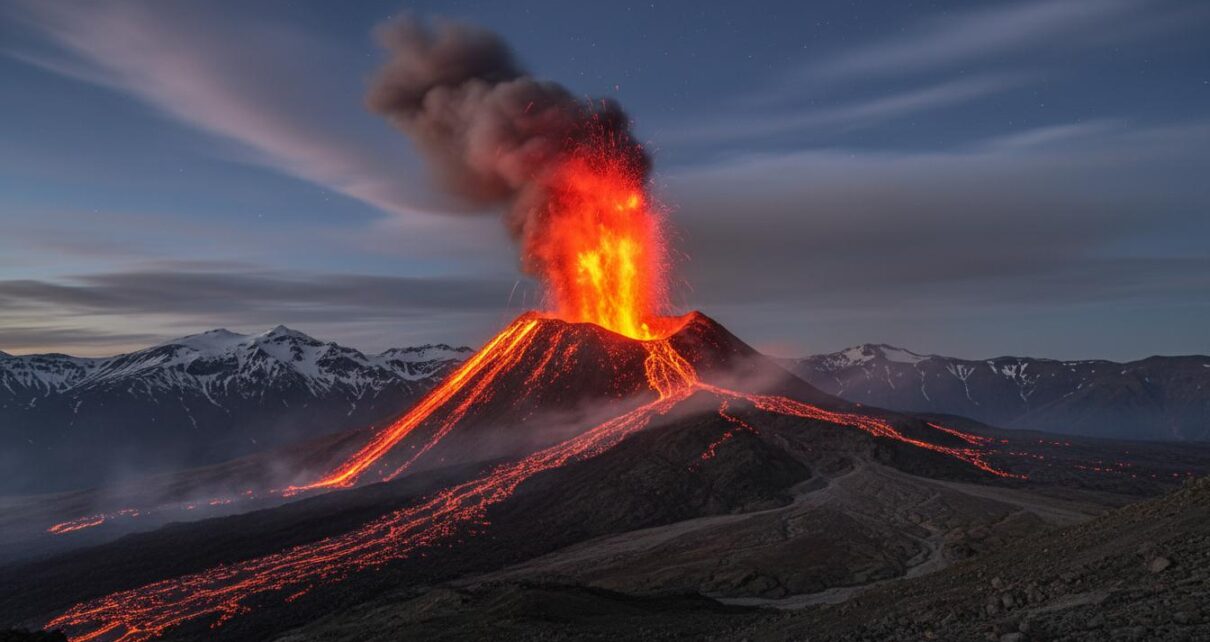
- Eruptions can throw hot blocks and ash that ignite vegetation downwind. The 2012 Te Maari eruption on Tongariro sparked small fires and damaged infrastructure.
- Steam vents and geothermal areas may desiccate nearby vegetation, but widespread fires from geothermal heat are uncommon.
Types / examples
Main types you’ll hear about
- Wildfires (scrub/tussock): The most common tongariro fire. Usually wind-driven, fast-moving, and started by human activity or lightning.
- Volcanic-ignited fires: Rare, tied to eruptive events that shower hot material.
- Suppression burns (backburns): Fire and Emergency NZ (FENZ) may light controlled fire to rob a wildfire of fuel, under strict conditions.
- Prescribed burns near (not in) the Park: Used on some private or pastoral lands for fuel or weed management. These require permits during Restricted fire seasons.
Real-world examples from the Central Plateau
- Desert Road scrub fires: Several significant fires in recent years have closed State Highway 1 near Waiouru and Rangipo, driven by wind and dry scrub.
- Military training area fires: The Waiouru Training Area, bordering parts of the Park, has experienced vegetation fires that can produce heavy smoke across the Plateau.
- Te Maari eruption (2012): Hot ejecta from Mount Tongariro ignited small fires and damaged the Ketetahi area. Track closures followed for safety.
Pros and cons
Potential benefits of fire (limited and context-dependent)
- Fuel reduction around assets when carefully planned and executed by professionals.
- Short-term stimulation of some seral species like manuka/kanuka outside alpine zones.
- Creation of control lines during suppression (backburns) to stop a larger blaze.
Costs and risks for Tongariro
- Loss of slow-growing alpine and subalpine flora that are not fire-adapted.
- Soil damage, erosion, and long recovery times on pumice and ash-derived soils.
- Weed invasion (e.g., heather and exotic grasses) after the burn window opens bare ground.
- Impacts on wildlife, air quality, and visibility; closures of tracks and roads; disruption to tourism.
- High suppression difficulty in wind, steep country, and smouldering peat or organic layers.
How to use or choose
Know the fire season and what it means
FENZ sets fire seasons. The Park follows those settings alongside Department of Conservation (DOC) rules. In practice, open fires are almost always banned in Tongariro National Park. Check current status at checkitsalright.nz and DOC alerts.
| Fire season | What it means | Permits | Typical effect in/near Tongariro |
|---|---|---|---|
| Open | Lower fire danger; some outdoor fires allowed | Not required for permitted types | Still no open fires in the National Park; use cookers only |
| Restricted | Higher danger; fire use tightly controlled | Permit required for most outdoor fires | Common on the Plateau in dry periods; expect bans on solid-fuel stoves |
| Prohibited (Total Fire Ban) | No outdoor fires allowed | No permits issued | Strictest controls; even some activities that cause sparks may be limited |
Choose the right cooking and heating option
- Gas canister or liquid-fuel stove: Preferred option. Set on bare mineral soil or a solid surface. Shield from wind. Never leave unattended.
- Solid-fuel tablets/wood burners: Often banned during Restricted/Prohibited seasons and not allowed in many DOC areas. Check site-specific rules.
- Open fires: Do not light open fires in Tongariro National Park. Use designated facilities only where explicitly provided and allowed (rare in this Park).
Trip planning for low fire risk
- Check MetService forecasts and local wind warnings for the Central Plateau.
- Review FENZ fire danger and season status before you go.
- Read DOC alerts for the Tongariro Alpine Crossing and other tracks.
- Carry enough water to fully cool your stove and any hot surfaces before leaving.
If you spot a tongariro fire: step-by-step
- Move to safety: Get uphill ridgelines and dense scrub out of your path; identify clear, already-burnt or barren ground.
- Call 111 and ask for Fire and Emergency: Give your location (use GPS/what3words/track markers), fire size, wind direction, and access notes.
- Warn others nearby: Use plain language and point out safe routes away from the fire.
- Follow instructions from responders or DOC staff: They may close tracks or roads quickly.
- Do not fly drones: Drones halt firefighting aircraft.
For landholders near the Park
- Create a defendable space around buildings by keeping grass short and removing fine fuels.
- Clear gutters, store firewood away from walls, and maintain access for appliances.
- Use machinery early in the day when humidity is higher; avoid grinding or mowing during Very High/Extreme danger.
- Have hoses, a water source, and a plan. If in doubt, postpone spark-creating work.
FAQ
Are campfires allowed in Tongariro National Park?
No. Open fires are not allowed. Use a gas or liquid-fuel stove where camping is permitted, and follow any seasonal restrictions published by DOC and FENZ.
How does volcanic activity relate to a tongariro fire?
Eruptions can throw hot material that ignites vegetation. This is uncommon but has happened on Tongariro. Most fires, however, start from human activity or lightning, not volcanoes.
When is fire danger highest on the Central Plateau?
Summer and early autumn, especially during nor’westers and after dry spells. Fine, frosty winters can also create very dry fuels on sunny days.
How do I check current fire rules?
Visit checkitsalright.nz for FENZ fire seasons and permits, and the DOC Tongariro National Park page for area alerts.
Can the Tongariro Alpine Crossing close because of fire?
Yes. Smoke, active fire nearby, strong winds, or volcanic alerts can close the Crossing. Always check before you travel.
What causes most tongariro fire incidents?
Human activity: unattended stoves, vehicle exhausts on dry grass, machinery sparks, discarded cigarettes, and illegal burns. Lightning also starts some fires in dry conditions.
Is fire good for native plants here?
Generally no. Many alpine and subalpine natives are not fire-adapted. Repeated burning pushes landscapes toward weeds and slows natural recovery.
What should I pack to reduce fire risk on a tramp?
- A stable gas stove with a windscreen and a means to cool it fully
- Extra water and a small trowel to expose mineral soil for cooking if needed
- Navigation tools for quick reroutes if tracks close
- A charged phone or PLB for emergencies
Who responds to a tongariro fire?
Fire and Emergency New Zealand leads the response, working with DOC, iwi partners, local councils, and (where relevant) the New Zealand Defence Force on neighbouring lands.
How is climate change affecting fire risk around Tongariro?
Warmer temperatures and more frequent droughts raise the number of high fire danger days and lengthen the fire season. Windy, dry periods make suppression harder and increase the chance of large events.
How it works on the day: quick decision guide
Before lighting any flame or starting a stove, run through this check:
- Season status: Open, Restricted, or Prohibited? If Restricted or Prohibited, assume tighter limits or bans.
- Location: Inside Tongariro National Park? Open fires are not allowed. Use an approved cooker only.
- Conditions: Windy, hot, or very dry? If yes, cook only if essential, on bare soil or a solid surface, and stay with your stove.
- Exit plan: If your flame gets away, where is the safest cleared area and route?
Key takeaways
- Tongariro fire risk is shaped by wind, dry fuels, volcanic terrain, and limited plant fire tolerance.
- Open fires are not allowed in the National Park; use stoves and follow FENZ seasons.
- Check conditions, choose low-risk gear, and act fast if you see smoke—call 111.
- Small sparks matter on the Plateau. One ember can close roads, tracks, and harm fragile ecosystems.