The mazda axela is a familiar sight on Kiwi roads, especially as a high-quality used import from Japan. If you’re weighing it up for your next daily driver, this guide cuts through the noise. You’ll learn what the Axela is, how its tech works, the different types you’ll find in New Zealand, the upsides and downsides, and how to choose the right one with confidence.
What is
The mazda axela is the Japanese-market name for what most of the world knows as the Mazda3. In New Zealand, many used imports arrive wearing the Axela badge, particularly models built between 2003 and 2019. After 2019, Mazda unified the name globally as Mazda3, but the JDM cars up to that point remain “Axela” in their paperwork and badges.
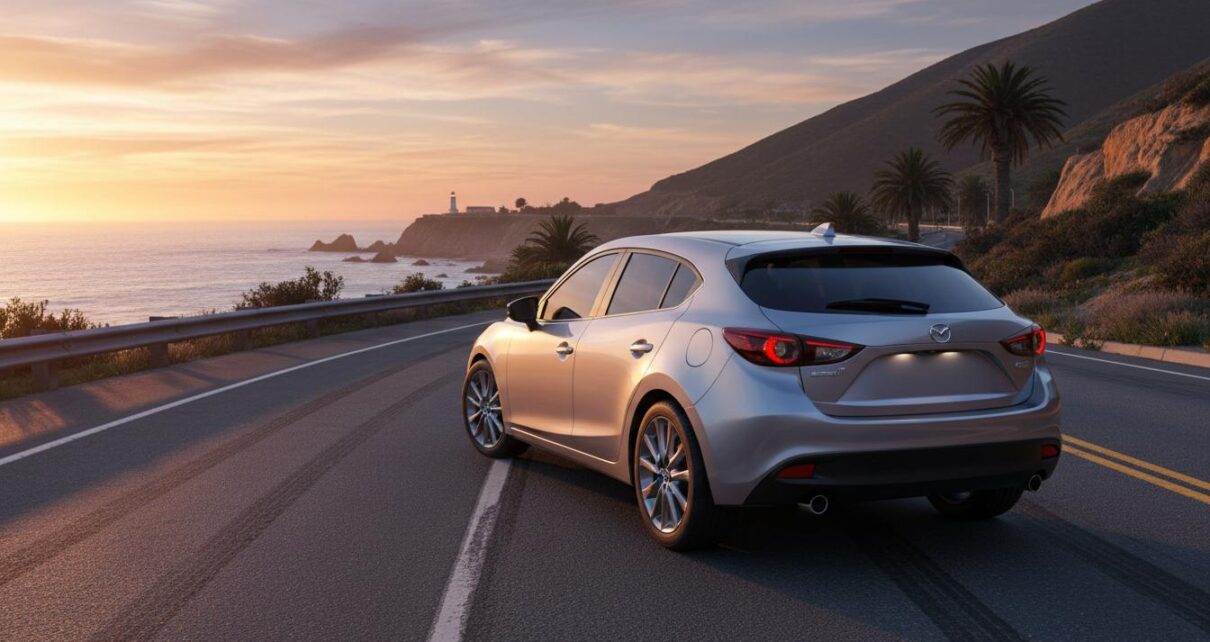
You’ll see the mazda axela mostly as a five-door hatchback, with a four-door sedan also common. It’s popular here for its tidy handling, efficient Skyactiv engines, and typically high Japanese maintenance standards. For many buyers, it nails the balance of price, reliability, and a bit of driving fun.
Quick generation guide you’ll encounter on NZ yards and listings:
- BK (2003–2009): First-generation Axela, simple and robust, 1.5L–2.3L petrol; 5-speed auto or manual common.
- BL (2009–2013): Sharper styling, improved refinement; still conventional petrol engines; 5- or 6-speed transmissions.
- BM/BN (2013–2019): Major step with Skyactiv tech, 1.5L/2.0L/2.5L petrol and 2.2L diesel; better safety and infotainment.
In short, if an NZ listing says mazda axela, think “JDM Mazda3.” Same platform, but with some Japan-specific trims and options.
How it works
Under the skin, the mazda axela relies on a set of Mazda technologies aimed at efficiency and feel without going hybrid or CVT.
Skyactiv-G petrol engines
These high-compression petrol engines chase efficiency through clever combustion rather than turbocharging. They deliver solid economy in real-world NZ driving and run happily on 91 unleaded. Many models also include:
- i-stop: Auto stop/start to save fuel in traffic.
- i-ELOOP (select trims): Regenerative braking using a capacitor to power accessories, easing load on the alternator.
Skyactiv-D 2.2 diesel
Strong torque and low revs make it effortless on the motorway. It uses a diesel particulate filter (DPF), which likes regular longer trips to regenerate. Great for commuters clocking steady kilometres, less ideal for frequent short hops.
G-Vectoring Control
Subtle software that trims engine torque as you turn in, nudging weight to the front tyres for tidier cornering. You won’t see it, but you’ll feel the calm, especially on wet or bumpy roads.
i-ACTIVSENSE safety
A suite of driver-assist features that varies by year and trim, commonly including:
- Smart City Brake Support (AEB)
- Blind-spot monitoring and rear cross-traffic alert
- Lane departure warning and lane-keep assist
- Adaptive cruise control on higher trims
Transmissions and drivetrains
Most mazda axela models use a conventional 5- or 6-speed automatic or a manual gearbox. Mazda largely avoided CVTs in the Axela line. Front-wheel drive is standard; some Japanese-market BM/BN hatchbacks came with i-ACTIV all-wheel drive, which do turn up in NZ but are less common.
Infotainment quirks for NZ buyers
- BM/BN cars use MZD Connect. Many can be set to English, and Apple CarPlay/Android Auto can be retrofitted (or already fitted on later builds).
- Earlier units (BK/BL) may be Japanese-only and have FM bands that don’t fully cover NZ frequencies; a band expander or head-unit swap is common.
Types / examples
Here’s a quick look at what you’ll typically find in New Zealand across generations.
| Generation (JDM) | Years | Common Engines | Transmissions | Notable Features |
|---|---|---|---|---|
| BK | 2003–2009 | 1.5L, 2.0L, 2.3L petrol | 5MT, 4/5AT | Simple, durable; basic safety by today’s standards |
| BL | 2009–2013 | 1.5L, 2.0L petrol | 5/6MT, 5/6AT | More refinement; better fuel economy; improved NVH |
| BM/BN (Skyactiv) | 2013–2019 | 1.5L, 2.0L, 2.5L petrol; 2.2L diesel | 6MT, 6AT | MZD Connect; i-ACTIVSENSE options; G-Vectoring; some AWD hatch variants |
Popular trims you’ll see
- 15C / 15S: 1.5L petrol, city-friendly, low running costs.
- 20S / 20S Touring: 2.0L petrol, stronger motorway pace, common in NZ.
- 25S: 2.5L petrol (later BM/BN), lively performance without a turbo.
- XD / XD Proactive: 2.2L diesel, high torque, best for higher annual mileage.
Engine character at a glance
- 1.5L petrol: Efficient and smooth; best in town, adequate on the open road.
- 2.0L petrol: The sweet spot for most Kiwi drivers; balanced power and economy.
- 2.5L petrol: Punchy, relaxed cruising, still efficient when driven sensibly.
- 2.2L diesel: Effortless torque; reward it with regular longer trips for DPF health.
Pros and cons
Pros
- Enjoyable handling with a supple ride, even on NZ’s mixed road surfaces.
- Strong reliability record, especially for the 2.0L and 2.5L petrol engines.
- Good safety tech on many BM/BN cars, including AEB and blind-spot monitoring.
- Reasonable parts availability and servicing costs across New Zealand.
- Modern infotainment on later models with straightforward CarPlay upgrades.
Cons
- Some JDM infotainment units need band expanders or replacement for NZ radio ranges.
- 2.2L diesel requires the right usage pattern; DPF issues if driven only on short trips.
- Earlier generations (BK/BL) feel dated in safety and cabin tech.
- A few trims have firm seats or tyre noise on coarse chipseal; test drive matters.
How to use or choose
Follow these steps to pick the right mazda axela and avoid surprises.
- Set your brief: Decide hatch vs sedan, budget range, and must-haves (AEB, CarPlay, reversing camera).
- Choose your engine:
- Mostly city driving: 1.5L or 2.0L petrol.
- Balanced city/motorway: 2.0L petrol.
- Open-road punch or hilly commutes: 2.5L petrol.
- High annual mileage with regular longer trips: 2.2L diesel.
- Match the transmission: The 6-speed automatic suits most drivers; manual appeals if you enjoy engagement and want lower purchase prices.
- Check safety features: Look for i-ACTIVSENSE items like AEB (SCBS), blind-spot monitoring, and lane support on BM/BN models.
- Inspect the infotainment: Confirm language settings, NZ navigation support, radio bands, and whether CarPlay/Android Auto is fitted or can be retrofitted.
- Verify recalls: Many early cars worldwide were affected by Takata airbag recalls. Check the VIN against recall databases and ensure completion paperwork.
- Review history: Ask for the Japanese auction sheet, service stamps, and NZ receipts. A consistent service record beats low odometer readings without proof.
- Diesel due diligence: For 2.2D, scan for DPF codes, check oil level for dilution history, and confirm it regularly sees highway kilometres.
- Battery and i-stop: i-stop prefers an EFB/AGM-type battery. Budget for a correct replacement if cold starts feel weak or stop/start is disabled.
- Tyres and alignment: Uneven wear can hint at kerb strikes. The Axela rewards good tyres; don’t cheap out here.
- Pre-purchase inspection: Get a trusted mechanic or AA inspection. Ask for a scan of stored fault codes and a look underneath for leaks or rust.
- Compliance and WOF: Ensure the car’s entry certification is in order and WOF is current. Check that any modifications meet NZ standards.
Fuel and servicing tips for NZ owners
- Fuel: Most Skyactiv-G petrol Axelas run well on 91. Using 95 can smooth performance on long runs but isn’t mandatory for most trims.
- Oil: Use the correct spec oil; Skyactiv engines are sensitive to viscosity and quality.
- Intervals: Follow time-based servicing even with low kilometres; NZ’s stop-start and short trips age fluids.
- Brakes and tyres: Coarse chipseal can increase wear and noise—rotate tyres and keep pressures in check.
Petrol vs diesel: quick comparison
| Engine | Typical Use | Driving Feel | Running Notes |
|---|---|---|---|
| 1.5L Petrol | Urban and light motorway | Calm, efficient | Lowest purchase/insurance; fine for commuting |
| 2.0L Petrol | Mixed city/highway | Balanced, responsive | Great all-rounder in NZ conditions |
| 2.5L Petrol | Open-road, hilly terrain | Strong and smooth | Minimal penalty in economy if driven gently |
| 2.2L Diesel | Higher annual kms | Torque-rich and relaxed | Needs regular longer runs for DPF health |
FAQ
Is the mazda axela the same as a Mazda3?
Yes. The mazda axela is the Japanese-market version of the Mazda3. Mechanically they’re closely aligned. Trim names and options can differ.
Can I run a mazda axela on 91 in New Zealand?
Most Skyactiv-G petrol Axelas are designed for regular unleaded. NZ 91 is appropriate for the majority of trims. Check the fuel label on the filler flap or owner’s manual to be sure.
Does the mazda axela have a timing belt or chain?
Skyactiv petrol and diesel engines use timing chains. No scheduled belt replacements.
Are there common problems I should know about?
- 2.2D diesel: DPF issues if the car rarely gets up to full operating temperature on longer drives; watch for warning lights and rising oil levels.
- Infotainment: JDM radio frequencies and Japanese menus on older units; plan for a band expander or head-unit swap if needed.
- Wear items: Like any used car, shocks, bushings, and mounts can tire with age—test drive and inspect.
Does the mazda axela come with AWD?
Some Japanese-market BM/BN hatchbacks have i-ACTIV AWD. They’re less common in NZ but do exist. Great for ski trips and wet gravel, with a small fuel economy trade-off.
Can I get Apple CarPlay/Android Auto?
Many BM/BN cars with MZD Connect can be retrofitted with Mazda’s official CarPlay/Android Auto kit. Some later builds already have it. Earlier BK/BL units may require a full aftermarket head-unit upgrade.
What safety features should I look for?
Prioritise AEB (Smart City Brake Support), blind-spot monitoring, rear cross-traffic alert, and a reversing camera. These are common on later BM/BN trims.
What about recalls like Takata airbags?
Some earlier generations worldwide were affected by Takata recalls. Check the VIN with the dealer network or NZTA resources and confirm recall completion before purchase.
Is the mazda axela good for towing?
Think light-duty only, such as a small trailer or bikes. Always check the specific car’s rating in the owner’s manual or entry certification label, and use the correct towbar and wiring.
How economical is it in real NZ driving?
Expect the 2.0L petrol to land in a comfortable middle ground for mixed driving, with the 1.5L sipping least in town. The 2.2D shines on steady open-road runs. Real results vary with terrain, traffic, and tyre choice.
Why choose a mazda axela over other small hatches?
It blends reliability, driver engagement, and sensible costs. If you want something that feels a notch more polished than budget options, but without premium-car running costs, the Axela fits well.
Bottom line
The mazda axela is a smart, dependable choice for New Zealand roads—especially in BM/BN form with Skyactiv tech and modern safety. Pick the engine that matches your driving, confirm the infotainment and recalls, and get a proper inspection. Do that, and you’ll have a tidy, enjoyable hatch or sedan that just works, week in, week out.