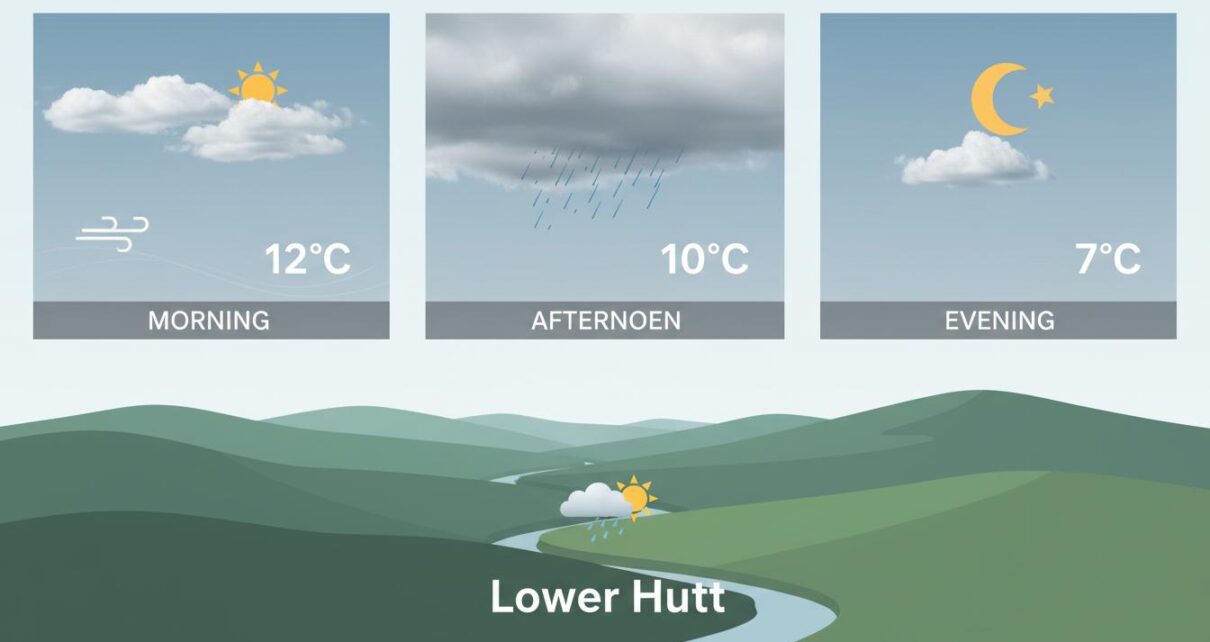
Lower Hutt weather is a moving target. The harbour, the hills, and the Remutaka Range all tug at the air, pushing sea breezes inland, flipping the wind in minutes, and carving out microclimates suburb by suburb. If you live here—or plan to visit—you’ll get more value from the forecast when you understand what drives the shifts. This guide explains the patterns, the quirks, how to read a Lower Hutt forecast with confidence, and what to expect through the seasons.
What is
Lower Hutt weather sits in a temperate, maritime climate shaped by Wellington Harbour and steep terrain. Expect mild temperatures year-round, frequent wind, and quick changes with fronts crossing Cook Strait. The Hutt Valley can be calmer than Wellington CBD, but exposed spots like Petone Esplanade and the Eastern Bays often cop the brunt of a southerly.
Microclimates matter. The valley floor (Alicetown to Taita) tends to be warmer on still days. Wainuiomata, tucked behind the hill, often runs cooler at night with more frosts in winter. Stokes Valley can hold cloud and fog a little longer in the mornings. Eastbourne and Days Bay get sea breezes and stronger gusts when the harbour is choppy. These differences explain why one suburb can be sunny and dry while another has drizzle and a stiff crosswind.
Rain comes in pulses—fronts, onshore flows, and the odd thunder line. The wettest days usually arrive with northerly-fed Tasman systems or a sharp southerly change. Sunshine hours are decent by New Zealand standards, and UV can be fierce in summer, even when it’s breezy.
How it works
Several drivers set the tone for Lower Hutt weather:
- Cook Strait wind funnel: Northerlies and southerlies accelerate through the strait, then spill into Wellington Harbour and up the Hutt Valley. Southerly changes hit quickly and can drop the temperature fast.
- Topography: The Remutaka and Tararua ranges block, lift, and redirect air. Hills around the valley create lee zones (calmer pockets) and gap winds (strong gusts through passes and streets aligned with the flow).
- Sea breezes: On summer afternoons, cooler air from the harbour pushes inland toward the warm valley floor. Expect a freshening onshore breeze in Petone, Seaview, and Gracefield before inland suburbs feel it.
- Fronts and lows: Tasman Sea fronts bring rain bands and squally showers. A post-frontal southerly often follows with clearing skies later, especially in the valley where shelter helps the cloud break.
- Inversions and fog: On calm winter nights, cold air settles on the valley floor. Expect fog or low cloud before sun burns it off. Wainuiomata and Stokes Valley can hold the chill longer.
- Climate drivers: El Niño years tend to bring stronger westerly and southwest flows to central New Zealand, with more wind and cooler snaps. La Niña often brings more northeasterlies, humidity, and low cloud, with occasional heavier rain from north of the region.
Put simply: geography magnifies whatever the atmosphere is doing. That’s why the “feels like” temperature can swing with wind direction, and why the Lower Hutt forecast rewards a closer look at wind and timing.
Types / examples
Common Lower Hutt weather days
- Southerly change: A calm or northerly morning flips to a cool southerly by lunchtime. Expect showers on the Petone foreshore, a quick drop in temperature, and choppy harbour conditions. Clearing often begins inland first.
- Sea-breeze afternoon: Sunny morning, then a steady onshore breeze into the valley after midday. Great drying weather, but wind gusts along the Esplanade can catch cyclists and e-scooters.
- Warm, dry northerly: Cloud breaks, low humidity, and a brisk northerly up the valley. Sheltered spots feel several degrees warmer than exposed harbour edges. Dust gets moving in Seaview and Gracefield.
- Winter inversion: Frost or fog on the flats, blue sky above. Sun breaks through by late morning; afternoons are calm and crisp. Wainuiomata can stay cooler until mid-afternoon.
- Northeasterly drizzle: Harmless-looking grey deck that spits. Petone and Eastbourne get the damp first; inland suburbs get lighter falls or just thick cloud.
- Heavy rain event: A slow-moving front or subtropical plume brings steady rain and strong winds, with the Hutt River rising. Keep an eye on MetService watches and local council updates.
Seasonal snapshot
| Season | Typical daytime highs | Typical overnight lows | Rain pattern | Wind character | Notes |
|---|---|---|---|---|---|
| Summer (Dec–Feb) | 19–24°C | 12–16°C | Short showers; occasional heavy bursts with fronts | Afternoon sea breezes; fresh northerlies | High UV; sea breezes strongest near Petone/Eastern Bays |
| Autumn (Mar–May) | 15–20°C | 8–13°C | Fronts spaced out; calmer spells | Mixed winds; more settled windows | Good for tramps and river trails; evenings cool quickly |
| Winter (Jun–Aug) | 10–13°C | 3–7°C | Showers with southerlies; longer dry breaks inland | Southerly changes; lighter winds on inversion days | Frosts and fog on still mornings, more in Wainuiomata/Stokes Valley |
| Spring (Sep–Nov) | 14–19°C | 8–12°C | Frequent showers; quick clearances | Windy; gusty northerlies and southerlies | All-seasons-in-a-day; pollen peaks on dry, windy days |
Pros and cons
Pros of Lower Hutt weather:
- Often sunnier and calmer than the Wellington CBD, especially on winter inversion days.
- Quick clearances after fronts; sheltered backyards warm fast in sun.
- Sea breezes keep summer heat manageable.
- Great variety for outdoor plans—river trails, hills, and the foreshore each offer different conditions in the same day.
Cons of Lower Hutt weather:
- Wind exposure on harbour edges; sudden gusts on open roads and cycleways.
- Southerly chill and wind-chop make Petone and the Eastern Bays feel colder than the thermometer suggests.
- Inversion days can start with fog and damp cold on the valley floor.
- Heavy rain events can lift the Hutt River quickly—keep an eye on warnings.
How to use or choose
Read the Lower Hutt forecast like a local
- Open the official MetService Lower Hutt forecast for today, tonight, and tomorrow. Note wind direction and timing of any change.
- Check the Wellington regional rain radar to see if bands are building in the strait or sliding down from the north.
- Glance at local observations: Wellington Airport and harbour stations for wind; valley stations for temperature and fog clues.
- Scan the hourly forecast to time outdoor jobs between showers or wind peaks.
- Look at the UV index (summer) and “feels like” temperature (windy days) before choosing clothing.
- If you’re near the water, check the marine forecast for Wellington Harbour—wind and swell can differ from inland conditions.
- When a watch or warning is in force, plan conservatively and keep updates on.
Choosing tools and info sources
- MetService: Primary Lower Hutt forecast, rain radar, severe weather watches and warnings.
- NIWA: Climate summaries, seasonal outlooks (useful for garden planning and water use).
- Local council and Waka Kotahi updates: River levels, road closures, and coastal impacts.
- Trusted apps and personal weather stations: Add hyperlocal detail, especially for wind in your street.
What to wear and carry
- Year-round: A light, windproof layer. It earns its keep.
- Summer: Sunhat, sunscreen, and sunglasses—UV bites even with cloud and wind.
- Winter: Warm base layer for calm, cold mornings; gloves for bike commutes.
- Any windy day: Secure hats and hoods; avoid loose umbrellas on the Petone foreshore.
Picking spots based on conditions
- When the southerly bites: Head inland up the valley or into sheltered bush tracks.
- On a humid northeasterly: The Eastern Bays catch the breeze; inland parks feel muggier.
- Foggy morning: Wait an hour or two—sun usually wins by late morning on the flats.
- Gale warnings: Choose river trails or hill tracks with tree cover; skip the exposed esplanade.
FAQ
What defines lower hutt weather compared with Wellington City?
Lower Hutt is often a touch warmer and calmer, especially on winter inversion days. Harbour-edge suburbs like Petone and Eastbourne are windier and feel similar to exposed spots in Wellington, but inland areas can be much more sheltered with faster clearing after fronts.
Does Lower Hutt get snow?
Snow on the valley floor is rare. Hills on the rim and the Remutaka summit can see a dusting during cold outbreaks, but for most residents it’s a cold rain and southerly wind rather than snow.
When is the best time for outdoor events in Lower Hutt?
Autumn often offers the steadiest run of fine days with lighter winds. In summer, aim for mornings before sea breezes peak. Always check the Lower Hutt forecast and hourly wind trends to dodge changes.
Why does the southerly feel so cold on the Petone Esplanade?
The wind runs up the harbour over cool water, adding wind chill and spray. Even with a moderate air temperature, the “feels like” value drops sharply when gusts hit exposed footpaths and cycle lanes.
Is Wainuiomata colder than the rest of Lower Hutt?
Often at night and on calm winter mornings. The basin shape lets cold air settle, so frosts and fog can be more frequent. On windy days, conditions even out as air mixes.
How accurate is a 10-day Lower Hutt forecast?
Use days 1–3 for detailed planning, days 4–7 for trends, and anything beyond that as a general steer. Timing of wind changes and rain bands is the hardest part—check updates on the day.
What should I watch on rainy, windy days?
Wind gusts rather than just average wind, and the timing of the change. Heavy rain plus strong gusts can bring branches down, push water across roads, and kick up harbour chop fast. Follow MetService watches and warnings.
How strong can wind gusts get in Lower Hutt?
Gales occur a few times a year, especially with strong northerlies or a sharp southerly front. Exposed areas on the harbour edge and ridgelines feel it most. Inland suburbs are gusty but often a notch lower than the waterfront.
Where can I find tide times and marine info?
Use the Wellington Harbour tide tables and the Wellington Harbour marine forecast. If you’re planning anything on the Petone foreshore or Eastern Bays, cross-check the harbour wind forecast with the Lower Hutt forecast.
What are quick tips for today’s lower hutt weather?
Check the radar, note wind direction, and pack a windproof layer. In summer, add sunscreen. If a southerly is due, plan outdoor jobs for the morning; if a northerly is building, expect a drier, warmer feel inland.
Closing tips
Lower Hutt weather rewards those who read the wind. Watch direction and timing, use the regional radar, and factor in your suburb’s quirks. Do that, and you’ll pick the best window for a Petone coffee run, a river trail ride, or a quick dash over the hill—without getting caught by a squall five minutes from home.