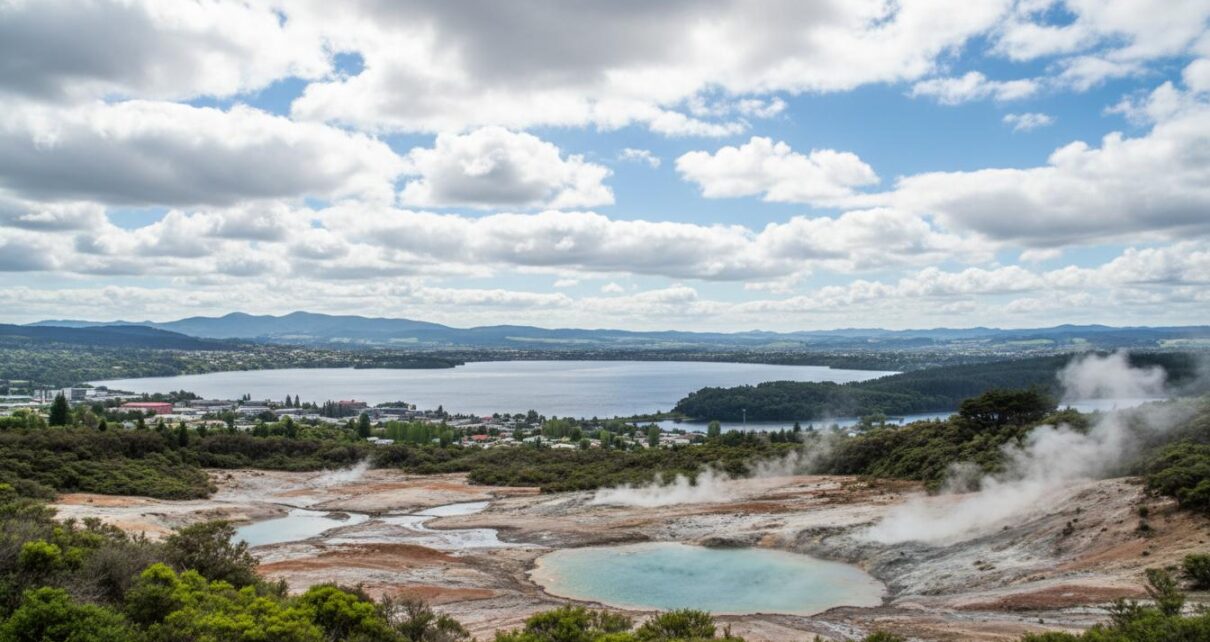
Thinking about weather Rotorua? This is a unique corner of the North Island where warm lakes, cool nights, and a whiff of geothermal steam all shape the day. If you live here, you know how quickly fog can lift to blue skies. If you’re visiting, you’ll want a plan that handles a crisp winter dawn, a sunny bike ride by midday, and a clear, starry evening.
This guide breaks down what the climate is, why it behaves the way it does, what to expect in each season, and how to use forecasts to your advantage. You’ll find a comparison table, practical tips, and straightforward answers to common questions—all tailored for New Zealanders and anyone curious about the local pattern.
What is
When people search weather Rotorua, they’re usually after the city’s day-to-day conditions and the broader climate. Rotorua has a temperate oceanic climate with an inland twist: summers are warm but not extreme, winters are cool with frequent frosts, and rain falls year-round with no sharply dry season. Wind is often gentle to moderate compared with coastal cities, and clear nights can be quite cold, especially from May to August.
Quick snapshot:
- Summer: Pleasant warmth, comfortable nights, strong UV.
- Autumn: Calm, clear spells with cool mornings and early mists.
- Winter: Cold nights, common frosts, foggy starts, light winds.
- Spring: Changeable, with sunny bursts and fast-moving showers.
Rain is spread through the year, heaviest when moist northeasterlies or ex-tropical systems brush the Bay of Plenty. Snow in the city is rare. Hail and thunderstorms happen, but they’re not an everyday feature.
How it works
Latitude and altitude
Rotorua sits near 38°S at roughly 280 m above sea level. That elevation is enough to cool the nights and encourage frost on calm, clear mornings. The latitude brings a classic New Zealand mix: westerlies bringing fronts, and long summer days with elevated UV.
Distance from the coast—and the lakes
Unlike Tauranga or Whakatāne, Rotorua is inland, so it misses the marine buffering that keeps coastal temperatures milder. The lakes, however, smooth the edges a little. On summer afternoons, lake breezes can freshen the air. In winter, cool air drains into low-lying basins, while lake shores can hold a touch more warmth overnight.
Westerlies, fronts, and the Tasman Sea
New Zealand’s prevailing westerlies steer Tasman Sea fronts across the central North Island. The nearby Mamaku Plateau and ranges help squeeze out rain on windward sides and cast minor rain shadows elsewhere. A typical front in Rotorua delivers showers, a wind shift, and a short, sharp drop in temperature, followed by clearer air.
El Niño and La Niña
- El Niño: Stronger westerlies and more southwest flow. Bay of Plenty often trends drier and cooler than average, with clearer, crisper nights.
- La Niña: More northeasterlies. Rotorua can be warmer and more humid with increased rain from onshore flows and the remnants of tropical systems.
Neither pattern guarantees a result, but they nudge the odds for a given season.
Geothermal influence and inversions
Geothermal steam doesn’t change the regional climate, but it does colour local experience. On still, cold mornings, low-level inversions trap moisture and sulphur scents close to the ground, making the smell stronger until sun and breeze mix things out. These same inversions are why fog and frost can sit stubbornly in pockets, even while nearby hills enjoy early sun.
Types / examples
Seasons at a glance
Summer (December–February)
Warm days, comfortable nights, and strong sunshine make summer ideal for lakes and trails. Afternoon breezes are common, and brief thunderstorms pop up on the hottest days. Rain usually arrives with a passing front or humid northeasterly flow.
Autumn (March–May)
Stable, settled spells dominate. Days stay mild, but nights cool quickly. Morning fog over lakes and basins is frequent, often clearing by late morning to gentle sun. It’s great biking and walking weather if you dress in layers.
Winter (June–August)
Expect cold, crisp mornings, widespread frosts, and light winds. Fog can linger in low spots. When fronts pass, you’ll notice showers and a brief uptick in wind, but many winter afternoons are calm and bright once the fog lifts.
Spring (September–November)
Spring swings between sunny breaks and fast-moving showers. Westerlies lift again, and temperatures climb, though cold snaps still appear. It’s the most changeable season: take a jacket, even on a blue-sky morning.
Daily patterns you’ll actually notice
- Cool, misty start, sunny lunch: Common from autumn to early spring.
- Afternoon lake breeze: More noticeable on warm summer days near the shoreline.
- Rapid clear-out post-front: Showers end, clouds break, and skies open within hours.
Notable weather events
- Ex-tropical systems: Bring bursts of heavy rain and blustery northeasterlies, mainly late summer and autumn.
- Thunderstorms: Occasional in humid summer airmasses; brief downpours and small hail are possible.
- Frost and fog: Frequent in winter, especially in valleys and near the airport.
- Snow: Rare in the city, though higher ground in the wider region can see a dusting in cold southerly outbreaks.
Pros and cons
- Pros:
- Warm, often sunny summers without oppressive heat.
- Plenty of calm days for biking, walking, and paddling.
- Distinct seasons and clear nights—excellent for stargazing.
- Cons:
- Cold winter mornings with frequent frosts and fog.
- Rain can cluster around northeasterly events.
- Geothermal sulphur smell can feel stronger on still, cool days.
How to use or choose
Choosing the right time for your plans
- Lakes and swimming: Late spring to early autumn for warmer water and settled spells.
- Mountain biking in the Redwoods: Year-round. Summer offers dry trails; winter gives grippy soil but colder starts.
- Hot pools: Any season, but especially rewarding on crisp winter evenings.
- Scenic walks and geothermal parks: Morning visits are great in summer to beat UV; late morning in winter to dodge the chill and fog.
Forecast tools Kiwis actually use
- MetService: Official NZ forecasts with rain radar and severe weather watches.
- NIWA: Seasonal outlooks and climate insights (useful for El Niño/La Niña context).
- Windy or MetVUW: Visual wind and rain models to see timing and intensity.
- Local webcams: Quick check for fog and low cloud around the lakes and airport.
What to wear and carry
- All year: A light, packable waterproof and a warm layer—weather turns fast.
- Summer: Hat, sunglasses, SPF 30+ sunscreen; drink water and shade up at midday.
- Winter: Insulating mid-layer, beanie, gloves for early starts; de-icer or scraper for the car if you park outside.
- Footwear: Grippy shoes for forest trails; sandals or jandals for the lake, but mind wet roots after rain.
For homeowners and gardeners
- Heating and moisture: Use ventilation and dehumidifiers in winter to cut condensation.
- Gutters and drainage: Keep them clear before heavy rain periods, especially in La Niña summers.
- Frost: Choose hardy species for low-lying sites; protect citrus and tender plants on clear winter nights.
- Corrosion caution: Geothermal sulphur can nibble at exposed metals—rinse outdoor fixtures and maintain coatings.
Step-by-step: Plan a smarter day around weather Rotorua
- Check MetService for today and tomorrow’s summary, plus rain radar for active showers.
- Scan a model viewer (Windy/MetVUW) to see when rain bands actually arrive or clear.
- Note the overnight low; if it’s near freezing and winds are calm, expect frost or fog at dawn.
- Pick activity windows: morning forest ride before heat and UV in summer, late morning walks in winter after fog lifts.
- Pack layers and a light rain shell; add sunscreen and a hat if UV is high.
- Set a backup plan: geothermal pools or indoor attractions if showers linger.
- Recheck the radar at midday; adjust your afternoon if a line of showers speeds up or stalls.
Comparison: Rotorua vs nearby centres
| Location | Summer daytime (°C) | Winter night (°C) | Rainfall (annual) | Frosts | Wind | Notes |
|---|---|---|---|---|---|---|
| Rotorua | 21–26 | -1 to 4 | ~1300–1500 mm | Common in valleys | Often light to moderate | Foggy winter mornings; strong summer UV |
| Tauranga (coastal) | 23–27 | 6–10 | ~1100–1400 mm | Rare | Sea breezes more frequent | Milder nights; higher humidity in summer |
| Taupō (higher inland) | 21–25 | -3 to 2 | ~1000–1200 mm | Frequent | Light to moderate | Colder nights; lake-effect fog at times |
Values are typical ranges, not exact for every site or year. Local terrain and proximity to water can shift the feel by a few degrees.
FAQ
What is the best time to visit for outdoor activities?
Late spring to early autumn offers the most settled warmth for lakes and trails. Winter is excellent for hot pools and clear, calm afternoons, but start later to avoid frosty fog.
Does it snow in Rotorua?
Snow in the city is rare. Frost is far more common. Higher ground in the wider region may see the odd dusting during cold southerlies.
Is fog a big issue?
In winter, yes—especially at dawn in low-lying spots and near the airport. It usually clears by late morning on sunny days.
How strong is the sun?
Summer UV is high by New Zealand standards. Even with cloud, you can burn quickly around midday. Use sunscreen, a hat, and sunglasses.
Is Rotorua windy?
Generally less windy than many coastal cities. Expect light to moderate breezes most days, with gustier conditions as fronts pass.
Which way does rain usually come from?
Westerly fronts bring showery rain. Humid northeasterlies can deliver longer, heavier falls, especially during La Niña or ex-tropical systems.
Why does the sulphur smell feel stronger some days?
On still, cool mornings, inversions trap air near the ground. Steam and gases linger until sunshine and breeze mix the lower atmosphere.
What should I wear in winter?
Layer up. A warm mid-layer, windproof or waterproof shell, beanie, and gloves for early starts. Many winter afternoons feel fine with a light jacket once fog lifts.