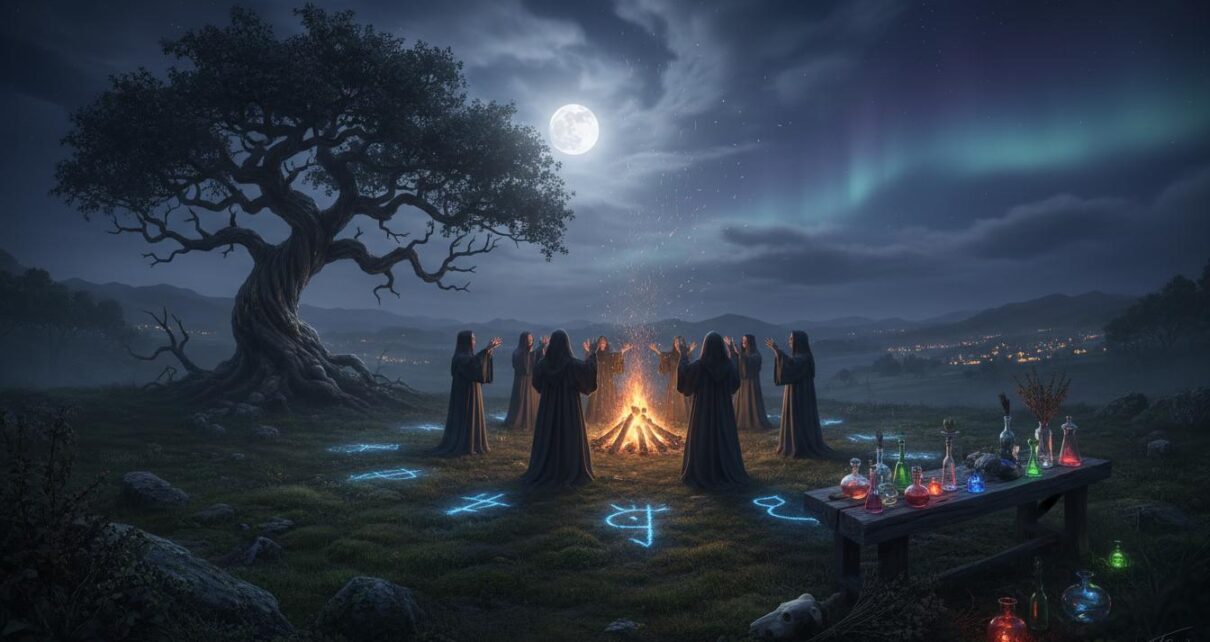
Witchery has moved from whisper to conversation in Aotearoa. People are looking for grounded, meaningful ways to mark the seasons, work with intention, and build personal rituals that fit life here in New Zealand. This guide explains what witchery is, how it works, the main types you’ll come across, and how to start in a safe, ethical, and Kiwi-friendly way.
You’ll find simple definitions, local context, a comparison table, a step-by-step framework, and answers to common questions. No fluff—just practical witchery you can use.
What is
Witchery is the practice of intentional, symbolic actions—rituals, spellcraft, divination, and nature-based observances—aimed at creating change, insight, or connection. It can be spiritual, creative, or psychological. Some people see witchery as energy work; others view it as focused attention plus meaningful symbols. Both frames are valid and often overlap.
Witchery is not one religion. Wicca is a specific religion with its own structure; witchery is a broader craft that can be secular or spiritual and welcomes people of many beliefs, including none. You can practice witchery without joining any group.
In New Zealand, witchery is legal when it follows general laws and safety rules. Selling readings or products requires honest advertising and fair trading. Using fire, herbs, or tools must respect local regulations and common sense.
A cultural note for Aotearoa: witchery is separate from Māori spiritual knowledge, rongoā, and tikanga. Terms like makutu have their own context and history, including harmful colonial laws such as the Tohunga Suppression Act 1907 (repealed in 1962). If you feel drawn to Māori practices, seek guidance from appropriate Māori knowledge holders rather than blending or borrowing from closed traditions. Respect for whenua, tikanga, and community matters.
How it works
Witchery tends to work through a few core principles that make practical sense:
- Intention: Clarify what you want to change or support. Vague goals create vague outcomes.
- Symbolism: Use colours, herbs, words, and tools that represent your goal. Symbols focus attention and emotion.
- Timing: Align with rhythms—moon phases, tides, and seasons. In the Southern Hemisphere, seasonal festivals flip from the Northern calendar.
- Action: Do something physical that represents your aim—lighting a candle, tending a jar spell, or crafting a charm. Action anchors intent.
- Reflection: Track what you did and how it landed. A journal or notes help you refine your craft.
Some practitioners view these steps as energy work. Others treat them as applied psychology: a ritual is a well-designed habit with meaning. You don’t have to choose a single explanation. What matters is consistent practice, ethical choices, and results you can recognise.
Because we live in New Zealand, pay attention to local cycles. Summer solstice lands around late December, winter around June. Tides shape coastal life; wind and rain can shift quickly. Witchery here benefits from flexibility—plan for weather and lean into the ocean, bush, and big skies that define this place.
Types / examples
Witchery is a toolkit, not a uniform. Here are common paths and how they look in a New Zealand context:
- Kitchen witchery: Spells through cooking, brewing, and everyday meals. Think herbal teas, infused salts, and intentional baking.
- Green witchery: Working with plants, gardens, and foraged materials. Prioritise native species protection and avoid disturbing ecosystems.
- Sea witchery: Partnering with tides, shells, sea breezes, and cleansing rituals at the beach. Respect rāhui and local guidelines.
- Hearth and home: Protection, comfort, boundaries, and household blessing. Practical, routine-focused witchery.
- Folk magic: Simple charms, knots, and practical spells drawn from family or regional traditions. Keep sources clear and avoid appropriating closed practices.
- Ceremonial/ritual-focused craft: Structured rites, detailed correspondences, and formal temple-style work.
- Divination-led witchery: Tarot, runes, scrying, pendulums, or intuitive journalling to guide choices.
- Tech witchery: Digital sigils, moon reminders, and app-based ritual planning.
Comparison table: popular types of witchery and what to expect
| Type | Main focus | Common tools | Cost level | Beginner-friendly | NZ fit |
|---|---|---|---|---|---|
| Kitchen | Food, drink, routine spells | Herbs, salt, jars, oven/stove | Low | Yes | Excellent—use local produce, teas |
| Green | Plants, growth, grounding | Pots, soil, pruning tools | Low–Medium | Yes | Strong—gardens, balconies, bush walks |
| Sea | Cleansing, tides, flow | Shells, water bowls, sea salt | Low | Yes | Ideal—coastlines are close to most towns |
| Hearth | Home protection, comfort | Candles, brooms, sachets | Low | Yes | Great for renters and families |
| Folk | Charms, knots, practical results | String, paper, pins | Low | Yes | Good fit—adapt with cultural care |
| Ceremonial | Formal rites, correspondences | Altars, robes, ritual tools | Medium–High | Sometimes | Works indoors year-round |
| Divination-led | Insight, planning, reflection | Tarot, runes, journals | Low–Medium | Yes | Any setting—portable and quiet |
NZ-friendly examples
- Simple sea cleanse: write what you’re releasing on paper, fold into a jar with salt water (collected respectfully or made with clean water and sea salt), seal, then dispose responsibly after a moon cycle.
- Garden protection charm: rosemary and bay in a small pouch at the door. If using native plants, research conservation rules and avoid harvesting without guidance.
- Sunrise intention at the beach: speak a short goal as the sun clears the horizon, then take three deep breaths with the wind at your back.
- Seasonal altar swap in June: candles for warmth, a pebble from a favourite walk, and a cup of hot tea for reflection.
Pros and cons
Benefits of witchery
- Structure for self-reflection and growth.
- Connection to land, weather, and seasonal rhythms in Aotearoa.
- Low-cost options using household items.
- Flexible—fits around work, whānau, and study.
- Can reduce stress through mindful rituals.
Drawbacks and cautions
- Misinformation online—cross-check sources.
- Risk of cultural appropriation—avoid borrowing from closed practices without permission.
- Over-consumption—tools are helpful, not mandatory.
- Safety—candles, herbs, and crystals require care; allergies and fire bans matter.
- Not a substitute for medical, legal, or financial advice.
How to use or choose
Step-by-step: start witchery in New Zealand
- Set a clear aim: choose one small outcome (better sleep, calm at work, tidy home).
- Pick your style: kitchen, green, sea, or hearth—whatever suits your space and budget.
- Gather simple tools: a candle, a bowl of water, a teaspoon of salt, paper and pen. Use what you have.
- Time it well: match the Southern Hemisphere season and a moon phase that fits your goal (waxing for growth, waning for release).
- Write a short script: one or two sentences stating your intention in present tense.
- Do the ritual: light the candle, speak your words, perform one symbolic act (stirring salt into water, tying a knot, or brewing tea).
- Close and record: snuff the candle, thank any helpers, and write what you did, how long it took, and how you felt.
- Review results: check in after a week and after a moon cycle. Keep what works, change what doesn’t.
Choosing a path that fits
- Space: small flat? Hearth or kitchen witchery is ideal. Close to the beach? Sea witchery will feel natural.
- Budget: start with basics; buy only what adds real function.
- Time: prefer quick rituals? Keep them under ten minutes and attach them to existing habits.
- Belief: secular or spiritual both work. Build a practice that feels honest.
Ethics and sourcing in Aotearoa
- Respect local laws and rāhui. If in doubt, leave things as you found them.
- Buy herbs and crystals from reputable NZ suppliers who disclose origins.
- Use introduced garden herbs (rosemary, lavender) rather than foraging natives unless guided by experts.
- Credit sources. Do not mix Māori karakia or rongoā into witchery without appropriate knowledge and permission.
Seasonal notes for the Southern Hemisphere
- Summer solstice: late December—celebrate heat, light, and abundance.
- Autumn: March–May—harvest, gratitude, release.
- Winter solstice: late June—rest, reflection, inner work.
- Spring: September–November—growth, planning, fresh starts.
Many people in Aotearoa also observe Matariki as a time of remembrance, planning, and renewal. If you choose to acknowledge it, learn respectfully from Māori-led sources and keep lines clear between witchery and Māori cultural practice.
Safety basics
- Fire: use stable holders, keep water nearby, never leave a flame unattended.
- Herbs: research interactions and allergies; avoid ingestion if unsure.
- Crystals and water: some stones dissolve or leach—check before making gem elixirs.
- Outdoor work: watch tides and weather. Tell someone your plan if you’re heading to remote areas.
FAQ
Is witchery legal in New Zealand?
Yes. Practising witchery is legal in NZ. Follow general laws, health and safety rules, and honest advertising if you sell services or products.
Do I have to follow Wicca to practice witchery?
No. Wicca is one religion. Witchery is a broader craft—you can be secular, interfaith, or part of another tradition.
Can men, non-binary, or older adults practice witchery?
Yes. Witchery is not limited by gender or age.
Do I need expensive tools?
No. Start with a candle, a bowl, salt, paper, and a pen. Add items only when they serve a clear purpose.
How do I adapt the Sabbats for the Southern Hemisphere?
Flip the calendar: celebrate seasonal festivals at the opposite times from the Northern Hemisphere. Let local weather guide you.
Can I use Māori karakia or rongoā in my witchery?
Approach with care and respect. Māori cultural practices are distinct and often not for general use. Learn from Māori-led sources and avoid mixing without permission and proper understanding.
Is witchery safe?
Witchery is as safe as your choices. Use common sense with fire, herbs, and outdoor work. It does not replace professional medical or legal advice.
Where can I find community in NZ?
Look for local meditation or pagan-friendly meetups, metaphysical shops, public library talks, and online NZ-based groups. Vet groups for respectful behaviour and safety.
What if I’m sceptical but curious?
Keep it practical. Treat witchery as structured reflection and ritualised habit. Track results. Keep what helps, drop what doesn’t.
How often should I practice?
Consistency beats intensity. A weekly check-in plus small daily actions builds strong witchery over time.
Final thoughts
Witchery in New Zealand thrives when it’s simple, respectful, and rooted in this land’s rhythms. Keep your intentions clear, your actions small and steady, and your ethics firm. Whether you stir purpose into your morning tea or greet the moon above the harbour, the craft grows with practice—and it grows with care.