Chasing the last light is a small daily ritual that never gets old. If you’re wondering about sunset today—what time it happens, why the sky burns pink one evening and turns gold the next, and how to pick the best spot in Aotearoa—you’re in the right place. This guide explains the science in plain language, shows how to plan for stunning colour, and shares practical local tips so you don’t miss the moment.
What is
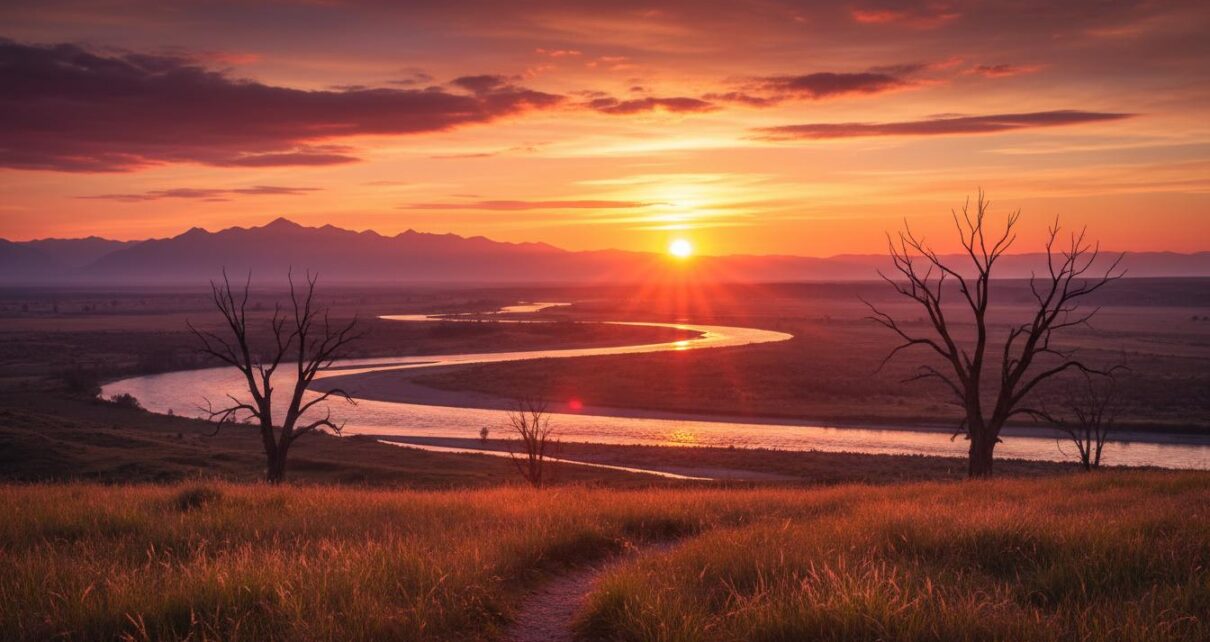
Sunset today is the moment the top edge of the Sun drops below your local horizon. That “official” time already includes a sliver of atmospheric refraction, which bends light and lets you see the Sun a touch longer than pure geometry would suggest.
Right after sunset today, twilight begins. It comes in three flavours:
- Civil twilight: Sun is 0–6° below the horizon. It’s still fairly bright.
- Nautical twilight: 6–12° below. The first real darkness and stronger colours.
- Astronomical twilight: 12–18° below. The sky turns properly dark for stargazing.
People often confuse golden hour with sunset. Golden hour is the warm, soft light in the last hour before sunset today (and the first hour after sunrise). The official sunset time is just a single minute. The show—before and after—is what you’re really planning for.
How it works
Two things drive sunset today: Earth’s rotation and the tilt of its axis. As the planet turns, the Sun appears to move across the sky and finally slip under the horizon each evening. Because Earth is tilted, the Sun’s path shifts north and south through the year, changing both the time and direction of sunset in New Zealand’s seasons.
In the Southern Hemisphere, the Sun sets north of west in winter and south of west in summer. That’s why the glow leans northwest in June and swings to the southwest in December. Daylight Saving Time (NZDT) also shifts the clock by one hour from late September to early April, so sunset today can feel “later” even though the Sun’s path hasn’t changed.
The colours come from Rayleigh scattering. Air molecules and fine particles scatter short blue light more than long red light. Near sunset today, sunlight cuts through a thicker slice of atmosphere. Most blue light is scattered out of your line of sight, so reds, oranges, and pinks dominate. High, thin clouds—cirrus or altocumulus—act like mirrors and spread that colour across the sky.
Local conditions matter, too:
- Clean air after a cold front often gives crisp, saturated colour.
- High clouds catch light; low, thick cloud can smother it.
- Sea haze, smoke, or volcanic dust can deepen reds, sometimes dramatically.
- Temperature inversions may boost refraction and slightly shift the observed time.
Yes, the “green flash” is real—an instant of emerald on the Sun’s rim right at the horizon. It’s rare, easiest over a clear sea horizon, and gone in a blink. If you try for it at sunset today, use eye-safe habits and don’t stare through optics at the Sun.
Types / examples
Coastal sunsets
West-facing beaches serve a clean horizon and ocean reflections. In Auckland, the wild west coast—Piha, Muriwai, Te Henga/Bethells—often lights up after a westerly front clears. On the Kapiti Coast, the island’s silhouette adds drama. In Southland, places like Oreti Beach offer huge skies and long afterglow.
Alpine and lake alpenglow
Even if the Sun sets behind mountains, the sky can pour colour onto peaks from the opposite side. Around Queenstown and Wānaka, look for pink and magenta bands painting ridgelines and mirrored on the lake just after sunset today.
City and harbour views
Urban outlooks turn glass and water into light catchers. In Wellington, hill lookouts to the west give layered silhouettes and fast-moving cloud drama. In Christchurch, the Port Hills offer a sweep over the plains to catch the last light on the Southern Alps.
Storm-edge theatrics
When a front clears late in the day, gaps on the western horizon can backlight mid and high cloud from below. That’s when you get intense reds and sunbeams. If the forecast hints at “clearing late” or “high cloud increasing,” keep your plans flexible for sunset today.
| Region | Good west-facing outlooks (examples) | Wind to watch | Clouds that help colour | Access tips |
|---|---|---|---|---|
| Northland & Auckland | Piha, Muriwai, Te Henga/Bethells, Kaipara Harbour edges | Strong westerlies kick up sea spray; calm evenings give cleaner horizons | High cirrus/altocumulus after a front | Allow time for winding coastal roads and beach parking |
| Waikato & Taranaki | Raglan headlands, Kawhia Harbour, Taranaki coast near Cape Egmont | Sea breezes; check swell if you plan rock platforms | Broken high cloud with clear western gap | Arrive early on fine weekends; tide-aware routes near rocks |
| Wellington & Kapiti | Kapiti Coast beaches, Paekākāriki hill lookouts, Wellington’s western hills | Northerlies can clear haze; southerlies bring sharp visibility but cold | High cloud bands, post-front skies | Windproof layers and a headlamp for hill tracks |
| Canterbury | Port Hills, Lake Ellesmere/Te Waihora edges, Waimakariri River mouth | Nor’westers add lenticular clouds; easterlies can bring low stratus | Lenticulars, high cirrus lit from below | Check fire restrictions if flying drones or using cook gear |
| Otago & Southland | St Clair/Forbury headlands, Otago Peninsula lookouts, Oreti Beach, Riverton | Sou’west changes can clear rapidly near dusk | High/mid cloud after showers | Clifftops demand care; keep well back from edges |
| Central Lakes | Queenstown/Wānaka lakesides, Glenorchy wharf, Crown Range pull-offs | Valley winds; sudden cool-down after dusk | High cloud catching alpine afterglow | Frost in winter; carry warm layers and a torch |
Pros and cons
Pros
- Free, daily, and local. Sunset today is available wherever you are.
- Great for wellbeing. A brief pause outside can reset a busy day.
- Photogenic without fancy gear. Phones do well in low-angle light.
- Easy to plan. Times are predictable to the minute and simple to check.
Cons
- Weather rules. Low grey cloud can cancel the show.
- Exposure. Coastal wind, spray, or winter chill can bite fast.
- Logistics. Popular lookouts fill up; beach access depends on tide and daylight.
- Late hours in summer. Sunset today can be well past kid bedtime under NZDT.
How to use or choose
Find the exact time of sunset today
The quickest methods:
- MetService: check your town’s forecast page for “Sunset.”
- Timeanddate.com: search your location and view “Sunset today.”
- SunCalc or similar apps: see the Sun’s path and direction on a map.
- Your phone’s weather app or a simple “sunset today near me” search.
Plan the outing (step-by-step)
- Check the official time for sunset today for your exact location.
- Scan the forecast: you want high cloud with a clear western horizon, or a clearing front late afternoon.
- Pick a west-facing spot; if it’s a beach or estuary, confirm the tide and swell.
- Arrive 30–45 minutes before sunset today to enjoy golden hour and settle in.
- Stay 20–30 minutes after the Sun sets. The best colour often peaks in the afterglow.
- Pack smart: a warm layer, windproof shell, torch/headlamp, and water. In summer, insect repellent.
- If you’re shooting photos, clean your lens and lock focus on the sky, not a dark foreground.
Choosing a location
- Horizon quality: ocean or open plains beat cluttered skylines for colour bands.
- Foreground interest: dunes, rocks, jetties, and silhouetted trees shape the frame.
- Escape routes: safe paths back in the dark. Avoid cliff edges and unmarked tracks.
- Wind exposure: hilltops see farther but can be brutal on a southerly. Bays and river mouths are gentler.
Quick photo tips for sunset today
- Phones: tap to expose for the sky, lower exposure a notch to protect highlights.
- Cameras: shoot RAW if possible. Start around ISO 100–400, f/5.6–f/8, adjust shutter to taste.
- White balance: try “cloudy” or “shade” to boost warmth naturally.
- Stability: brace on a railing or use a small tripod to keep images sharp after sunset.
FAQ
What time is sunset today in New Zealand?
It depends on your location and date. Use MetService or timeanddate.com for your exact town. In general, southern cities see later summer sunsets and earlier winter sunsets than northern cities, and Daylight Saving adds one hour to the clock time from late September to early April.
Which direction should I face for sunset today?
Face west. In winter, expect the Sun to set toward the northwest. In summer, it leans to the southwest. A compass app or a sun-path app will show the precise bearing for your location.
Why was last night vivid and sunset today dull?
Colour needs the right mix: a clear gap near the western horizon and mid-to-high cloud above. Low, solid cloud blocks light; haze can mute tones; a different wind can shift cloud height and thickness.
What’s the difference between sunset and last light?
Sunset is the instant the Sun drops below the horizon. Last light usually refers to the end of civil twilight—the point where it becomes too dark to see well without artificial light. After that come nautical and astronomical twilight, then full night.
Can I see the green flash in New Zealand at sunset today?
Yes, but it’s rare. Try for a clear sea horizon, steady air, and no low cloud. Watch safely and never stare through binoculars at the Sun.
Does altitude change sunset today?
A higher viewpoint extends your horizon and can make sunset arrive slightly later than at sea level nearby. Hills to your west do the opposite and bring it earlier.
What weather makes the best colours?
High cirrus or altocumulus with a clear western gap, especially when a front clears late afternoon. Clean air after rain is ideal. Lenticular clouds over the Alps can glow spectacularly under the right angles.
Why does the clock time of sunset today shift so much through the year?
Because of Earth’s tilt and our latitude. In summer the Sun takes a longer, higher arc across the sky, so it sets later. In winter the arc is shorter and lower, so it sets earlier. Daylight Saving Time also shifts the displayed hour.
Is it safe to swim at the beach around sunset today?
Only if conditions are safe and lifeguards are on duty. Light drops quickly after sunset, and rip currents are harder to spot. Check tides, swell, and local guidance; err on the side of caution.
How can I get a quick answer for “sunset today near me” on my phone?
Enable location services and search “sunset today” in your browser or ask your phone’s assistant. Bookmark your town’s MetService page for one-tap checks.
Extra local tips for New Zealanders
Light changes fast here. Weather can flip from mist to crystal-clear in an hour, especially in Wellington and the lower South Island. If a late clearing is on the cards, keep your plan flexible and be ready to move when the western horizon opens.
- Daylight Saving Time: from late September to early April, sunset today arrives an hour “later” by the clock. That’s handy for after-work missions.
- West coast vs east coast: the west has cleaner sea horizons for sunset; the east often delivers alpine alpenglow and mirrored colour on rivers and estuaries.
- Tide awareness: rock platforms and estuary channels look safe in daylight but can be tricky after dusk. Check tide tables and turn-around times.
- Respect the place: take your rubbish home, keep off dunes, and give wildlife space—especially birds resting at river mouths.
Bringing it together
Sunset today is simple to catch and endlessly varied. Check the time, pick a west-facing spot, aim for high cloud with a clear horizon, and show up early. Stay through the afterglow. Whether you’re on a wild West Coast beach, a city hill, or the edge of a South Island lake, the recipe is the same: plan lightly, pack warm, and let the light do the heavy lifting.