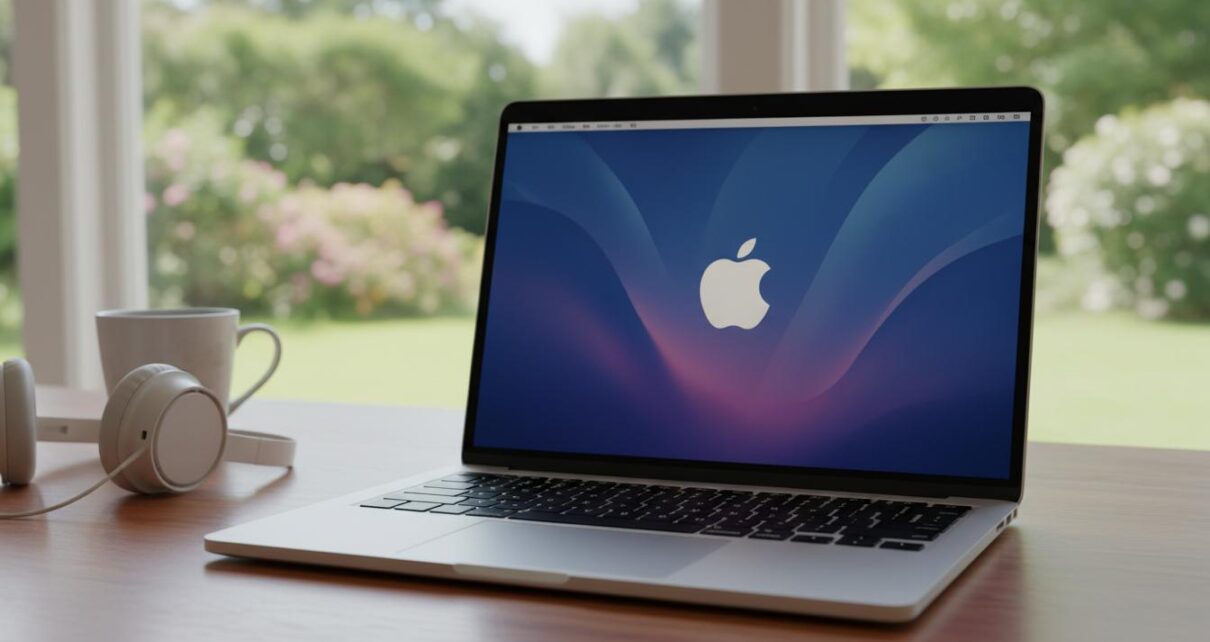
The MacBook Air is the laptop many Kiwis reach for when they want speed without weight, battery life without a brick of a charger, and a machine that just works. This guide explains what the MacBook Air is, how Apple’s silicon makes it so efficient, the current types and who they suit, and how to choose the right one for life in Aotearoa—GST, local retailers, Consumer Guarantees Act, and all.
What is
The MacBook Air is Apple’s thin, light laptop designed for everyday work, study, and travel. It uses Apple silicon chips that deliver fast performance and long battery life in a fanless design. Compared to the MacBook Pro, the Air focuses on portability and quiet operation rather than sustained heavy workloads.
It’s ideal for email, Office and Google Workspace, Zoom or Teams, coding, photo edits, light video work, and creative apps. If you need the best thermals for 3D rendering or hours of multi‑4K video exports, a Pro may suit you better; for most people, the Air is the sweet spot.
How it works
Apple silicon (M‑series) packs CPU, GPU, Neural Engine, media engines, and memory into a unified system. This architecture moves data quickly with less power draw, which is why a MacBook Air can stay cool and quiet without a fan.
- Unified memory: The CPU and GPU share one high‑bandwidth pool, reducing duplication and speeding up tasks.
- Efficiency cores: Handle background and everyday tasks using very little power.
- Performance cores: Kick in for heavier work like big spreadsheets or editing.
- Neural Engine: Accelerates machine‑learning features in apps (image upscaling, transcription, background removal).
- Media engines: Hardware support for H.264, HEVC, and ProRes enables smooth playback and faster exports with less battery hit.
macOS ties it together with tight app optimisation, fast wake, and smart power management. You also get features that make life simpler in New Zealand: iCloud for backups, AirDrop for quick file sharing at uni or work, and Apple Pay in Safari for local shopping.
Types / examples
Today’s line‑up includes 13‑inch and 15‑inch MacBook Air models with modern Apple chips, plus older options still circulating new or refurbished.
- 13‑inch MacBook Air (M3): The best all‑rounder. Great for students, travellers, and hybrid workers. Supports one external display with the lid open, or two with the lid closed.
- 15‑inch MacBook Air (M3): Bigger screen, larger trackpad, and a six‑speaker system. Popular for multitasking, spreadsheets, and video calls without an external monitor.
- 13‑inch MacBook Air (M2): Still fast and efficient. Often discounted by NZ retailers; a solid budget choice.
- 13‑inch MacBook Air (M1): Entry level on the second‑hand and refurbished market. Fine for web, email, documents, and light photo work.
Examples that fit well in Aotearoa:
- Uni student commuting in Wellington: 13‑inch M3 for portability and all‑day classes.
- Small business owner in Tauranga: 15‑inch M3 for on‑the‑go bookkeeping, marketing, and Zoom.
- Teacher upgrading on a budget: M2 on education pricing from an authorised reseller.
Popular MacBook Air models compared
| Model | Display | Chip | Ports | Webcam | Weight | Battery (claimed) | External displays | Notable features |
|---|---|---|---|---|---|---|---|---|
| MacBook Air 13″ (M3) | 13.6″ Liquid Retina, 500 nits | M3, up to 10‑core GPU | MagSafe 3, 2× Thunderbolt/USB 4, 3.5 mm | 1080p | ≈1.24 kg | Up to 18 hrs | 1 with lid open; up to 2 with lid closed | Wi‑Fi 6E; faster Neural Engine; quiet, fanless |
| MacBook Air 15″ (M3) | 15.3″ Liquid Retina, 500 nits | M3, up to 10‑core GPU | MagSafe 3, 2× Thunderbolt/USB 4, 3.5 mm | 1080p | ≈1.51 kg | Up to 18 hrs | 1 with lid open; up to 2 with lid closed | Six‑speaker audio with force‑cancelling woofers |
| MacBook Air 13″ (M2) | 13.6″ Liquid Retina, 500 nits | M2, up to 10‑core GPU | MagSafe 3, 2× Thunderbolt/USB 4, 3.5 mm | 1080p | ≈1.24 kg | Up to 18 hrs | 1 external display | Newer design vs M1; great value when discounted |
| MacBook Air 13″ (M1) | 13.3″ Retina, 400 nits | M1, up to 8‑core GPU | 2× Thunderbolt/USB 4, 3.5 mm | 720p | ≈1.29 kg | Up to 18 hrs | 1 external display | Most affordable; wedge design; no MagSafe |
Pros and cons
Pros
- Light and tough: Easy to carry between home, office, and campus.
- Battery life: Often covers a full day without the charger.
- Silent: Fanless design keeps noise out of meetings and lectures.
- Performance per watt: Snappy apps, fast wake, smooth multitasking.
- Great screens and speakers: Crisp text, accurate colour; strong audio for calls.
- macOS and ecosystem: AirDrop, iMessage, iPhone hotspot, and Apple Watch unlock.
- Resale value: Holds value well in the NZ used market.
Cons
- Fewer ports: Two Thunderbolt/USB 4 ports mean dongles for some setups.
- Not built for prolonged heavy rendering: The MacBook Pro handles that better.
- Base storage: 256 GB can fill quickly; consider 512 GB or more.
- Memory not upgradable: Choose wisely at purchase.
How to use or choose
Step‑by‑step: Choose the right MacBook Air
- Pick a size: 13‑inch for portability; 15‑inch for screen space and speakers.
- Decide your chip: M3 for the longest runway; M2 if price is king and your tasks are light to medium.
- Set memory: 8 GB is fine for browsing, docs, and email; 16 GB for heavy multitasking, Lightroom, Xcode, or big spreadsheets.
- Choose storage: 256 GB for cloud‑centric use; 512 GB+ if you keep photos, videos, or large project files locally.
- Think about displays: If you want dual external monitors, go M3 (works with lid closed) or consider a dock with display management solutions.
- Plan ports: If you need HDMI, SD, or Ethernet, budget for a USB‑C hub or dock.
- Check NZ pricing: Compare Apple’s online store with PB Tech, Noel Leeming, JB Hi‑Fi, and Harvey Norman. Remember NZ prices include GST.
- Use education deals: Tertiary students and teachers can access Apple education pricing via authorised resellers.
- Protect your purchase: Factor in AppleCare+ and know your rights under the Consumer Guarantees Act (CGA).
- Pick the charger: The included USB‑C power adapter suits most use. For faster top‑ups, a higher‑watt USB‑C charger works fine.
Setup tips for Kiwis
- Region and keyboard: Set region to New Zealand. Add Māori and NZ English spell‑check if useful.
- Backups: Turn on Time Machine to an external drive. iCloud Drive keeps documents synced across devices.
- Video calls: Place the laptop slightly higher for the 1080p camera on M2/M3 models; use Center Stage on supported apps if available via Continuity Camera with an iPhone.
- Charging on the go: NZ uses Type I plugs; most USB‑C chargers are universal voltage for travel.
- External screens: For the cleanest setup, use a USB‑C monitor that delivers power and video over a single cable.
FAQ
Is the macbook air powerful enough for work?
Yes for most office tasks, research, coding, design, and light video editing. If your day involves long exports, 3D, or large Xcode builds, a MacBook Pro offers more sustained performance.
How long does the battery last?
Apple rates recent MacBook Air models at up to 18 hours of video playback. In mixed use—browsing, docs, calls—many users see a full workday on a single charge.
Which MacBook Air should students in New Zealand buy?
The 13‑inch M3 with 16 GB memory and 512 GB storage is a great long‑term pick. If you need to save, an M2 with 8 GB/256 GB still handles lectures, assignments, and streaming well. Check education pricing and seasonal promos.
Can a MacBook Air run dual external monitors?
M3 models support up to two external displays with the lid closed (one with the lid open). M2 and M1 models support one external display natively.
Does the MacBook Air have enough ports?
Recent models include MagSafe 3 charging, two Thunderbolt/USB 4 ports, and a 3.5 mm headphone jack. Many users add a compact USB‑C hub for HDMI, SD, or Ethernet.
What about gaming?
Casual and Apple Arcade titles run well. Newer native Apple silicon games perform impressively, but if high‑end AAA gaming is your priority, a dedicated gaming PC or console is a better match.
How does warranty work in NZ?
MacBook Air includes a one‑year limited warranty and consumer law rights under the CGA, which can provide remedies beyond one year for faults. AppleCare+ extends coverage and adds accidental damage protection (service fees apply). Service is available through Apple’s authorised service providers across New Zealand.
Where should I buy in New Zealand?
Compare Apple’s online store with PB Tech, Noel Leeming, JB Hi‑Fi, and Harvey Norman. Look for education pricing, bundle deals, and verified refurbished options. NZ pricing includes GST.
Is 8 GB memory enough?
For email, web, documents, and streaming—yes. Step up to 16 GB if you juggle many apps, large photos, dev tools, or virtual machines.
How much storage do I need?
Cloud‑first users can manage with 256 GB. Creatives and anyone keeping big photo or video libraries locally should choose 512 GB or more. External SSDs over USB‑C are fast and affordable if you need to expand later.
Can I upgrade memory or storage later?
No. The MacBook Air’s unified memory and internal storage are not user‑upgradable. Configure what you need at purchase.
What charger does it use in NZ?
USB‑C charging works across all modern MacBook Air models. The included Apple adapter fits NZ sockets (Type I). Third‑party USB‑C PD chargers from reputable brands are fine.
Will it work with my iPhone and iPad?
Yes. You get Messages, Calls, Handoff, AirDrop, iCloud Photos, and Universal Clipboard. With an Apple Watch, you can unlock your Mac automatically.
Is there a best time to buy?
Watch for back‑to‑uni promotions early in the year and end‑of‑line discounts when new models appear. Education pricing is available year‑round.
How durable is the MacBook Air for travel?
It’s light but sturdy. Use a padded sleeve, avoid pressure on the lid, and keep liquids out of your bag. Back up regularly before trips.
What about recycling or trade‑in in New Zealand?
Apple and local partners offer trade‑in and recycling programmes. Retailers can advise on current options and accepted devices.
Final take
If you want a laptop that slips into a backpack, lasts the day, and stays quiet while still feeling fast, the MacBook Air is hard to beat. In New Zealand, the choice mostly comes down to size, memory, and storage—then finding the right deal from Apple or a trusted local retailer. Decide what you actually do each day, pick the configuration that fits, and you’ll have a companion that keeps up without weighing you down.