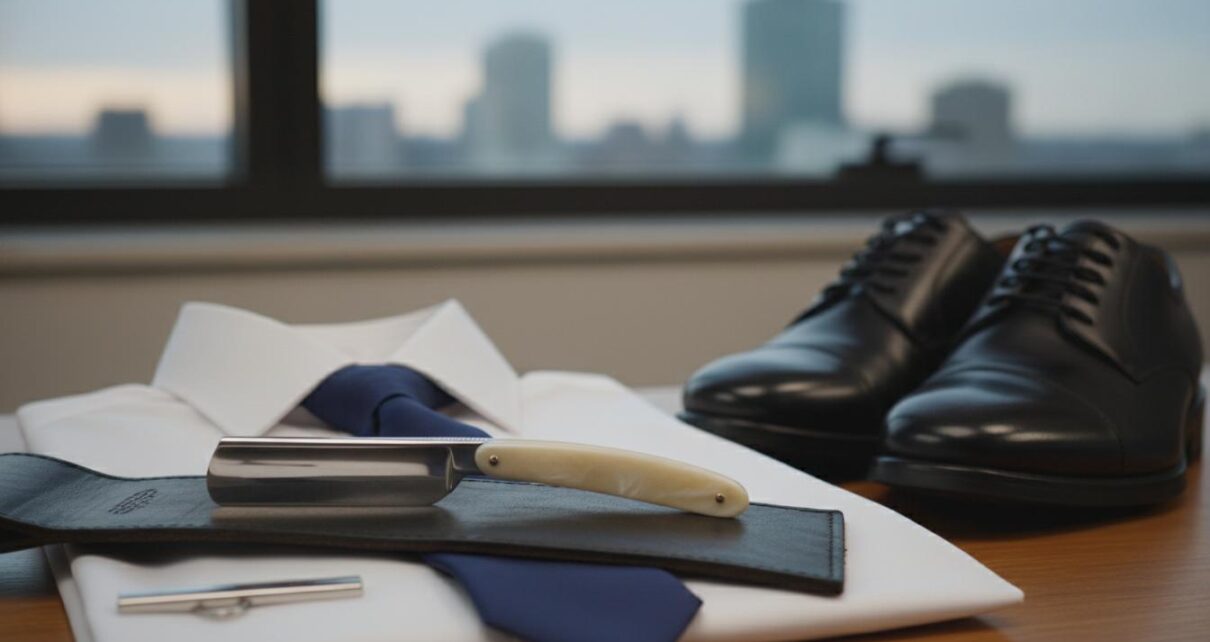
Looking good should not be hard work. In Aotearoa, our weather swings, our days run long, and most offices lean smart-casual. This guide shows you how to looksharp—clean, confident, and ready—without fuss. You will learn a simple method, what to wear for common Kiwi scenarios, how to choose fabrics that suit our climate, and practical steps you can use today.
What is
Looksharp means you look neat, intentional, and well-fitted in minutes. It is about quick polish, not chasing trends. Think tidy lines, right-sized clothes, clean shoes, and a small set of reliable pieces that work together.
In simple terms: to looksharp is to appear prepared and stylish with minimal effort. It works for the office, a last‑minute client meeting, a barbecue, or a date on the Viaduct.
How it works
Use the 5F method: Fit, Fabric, Formality, Function, Finish. It is a fast mental checklist made for real life in New Zealand.
- Fit: Clothing should skim the body, not squeeze it. Sleeves end at the wrist bone, trousers break lightly on the shoe, and shoulder seams sit on your shoulder.
- Fabric: Choose materials that breathe and handle changeable weather—merino, cotton, linen blends, and modern technical weaves.
- Formality: Match the setting. Smart-casual covers most Kiwi workplaces; add or remove one item to shift up or down (blazer on, hoodie off).
- Function: Plan for wind, rain, and walking. Layers, pockets, and a light rain shell often beat a heavy coat.
- Finish: Clean shoes, lint‑free clothes, pressed seams, tidy hair. Small details carry big weight.
Apply the 5Fs and you can looksharp with whatever is already in your wardrobe.
Types / examples
Office smart‑casual
- Men: Merino crew or Oxford shirt, chinos or dark jeans, leather or clean white sneakers, unstructured blazer optional.
- Women: Knit top or blouse, tailored trousers or midi skirt, loafers or block heels, light blazer or cardigan.
Client meeting upgrade
- Add a blazer or structured jacket, switch to leather shoes, and wear a belt that matches.
- Keep a neutral scarf or pocket square handy for a touch of polish.
Weekend casual
- Breathable tee or polo, well-fitting jeans or shorts, clean trainers, light overshirt or shacket.
Outdoor and on-the-go
- Merino base, technical overshirt, weatherproof shell, dark joggers or tapered cargos, water‑resistant sneakers.
Evening out
- Dark denim or tailored trousers, sleek knit or blouse, ankle boots or heels, statement jacket.
Ceremony or formal
- Suit or tailored dress in navy, charcoal, or deep green; smart shoes; minimal accessories. For coastal or summer events, consider linen blend with structured lines.
Pros and cons
- Pros: Quick to repeat, works across seasons, reduces decision fatigue, and helps you looksharp with a small wardrobe.
- Cons: Can feel minimal if you love bold trends, requires basic upkeep (pressing, shoe care), and good tailoring may add cost upfront.
How to use or choose
Step-by-step: Get looksharp in 10 minutes
- Check the setting: office, meeting, or social. Decide your formality level.
- Pick a base: solid tee, merino knit, or shirt in a neutral colour.
- Add a layer: blazer, overshirt, or cardigan for structure and warmth.
- Choose bottoms: chinos or dark denim for most days; tailored trousers for dressier moments.
- Select shoes: clean sneakers for smart‑casual; loafers or oxfords for formal.
- Match accessories: belt and shoes in the same tone; simple watch; subtle jewellery.
- Do a finish check: lint roll, quick steam or press, tidy hair, fresh breath.
- Weather‑proof: pack a compact rain shell or umbrella; sunglasses if bright.
- Carry light: slim bag with notebook, pen, and charger. Bulky pockets ruin lines.
- Stand tall: posture is the fastest way to looksharp without buying anything.
Build a Kiwi capsule that stays looksharp
- Tops: 2 merino crews, 2 Oxford or poplin shirts, 2 breathable tees, 1 blouse or knit with texture.
- Layers: 1 unstructured blazer, 1 overshirt/shacket, 1 lightweight rain shell.
- Bottoms: dark denim, chinos or tailored trousers, an easy skirt or dress for quick polish.
- Shoes: clean white sneakers, loafers or oxfords, ankle boots. Keep them clean and conditioned.
- Colours: base neutrals (navy, charcoal, stone, black) plus one accent (forest, rust, or cobalt) that suits NZ light.
- Fit plan: book basic alterations—hem, waist nip, sleeve length. Tailoring multiplies polish.
Fabric comparison for New Zealand conditions
| Fabric | Best for | Pros | Cons | Care tips |
|---|---|---|---|---|
| Merino wool | Year‑round layers, variable weather | Breathable, odour‑resistant, regulates temperature | Can pill if low quality, higher cost | Gentle wash, lay flat to dry, use a fabric shaver if needed |
| Cotton (Oxford/poplin) | Office shirts, smart‑casual | Durable, easy to press, classic look | Heavier cotton can feel warm in humidity | Wash warm, steam or press while slightly damp |
| Linen / linen blends | Summer, coastal events | Very breathable, relaxed texture | Wrinkles easily | Steam to keep texture; embrace natural creases |
| Technical synthetics | Commuting, rain, active days | Lightweight, quick dry, weather resistant | Can look sporty if cut is not tailored | Cold wash, avoid high heat, choose matte weaves for polish |
| Leather (shoes/bags) | Formal and smart‑casual footwear | Long‑lasting, elevates outfits | Needs upkeep, not for heavy downpours | Condition, polish, use shoe trees, rotate pairs |
Choose by occasion
- Wet weekday: merino base, tapered chinos, matte rain shell, water‑resistant sneakers. Still looksharp after a ferry or bus ride.
- Hot afternoon: linen‑blend shirt, breathable skirt or chinos, loafers or sandals with clean lines.
- Cold morning, warm lunch: layer a knit under a blazer; remove the knit at noon, keep structure.
Grooming and upkeep that amplify looksharp
- Hair: a simple, well‑kept cut beats a complex style you cannot maintain.
- Clothes care: a handheld steamer, lint roller, cedar hangers, and shoe trees pay for themselves.
- Scent: light and fresh. In close quarters, less is more.
- Laundry rhythm: small, regular loads prevent the “nothing clean” scramble.
FAQ
How do I looksharp on a budget?
Prioritise fit and footwear. Tailor cheaper pieces (hem, waist), keep shoes spotless, and buy neutral basics that mix easily. One great blazer plus two quality shoes will lift everything else.
Can sneakers looksharp?
Yes. Choose clean, minimal designs in white, black, or navy. Keep them spotless and pair with structured pieces—chinos, blazer, or a sharp coat.
What colours work best in NZ light?
Neutral bases (navy, charcoal, stone, black) with one accent like forest green, rust, or cobalt. Pure whites can glare outdoors; soft off‑whites look calmer.
How do I stay looksharp in the rain?
Use a compact matte rain shell over structured layers. Swap to water‑resistant leather or treated sneakers. Dry and stuff shoes with paper when you get home.
Is tailoring worth it?
Yes. Small alterations transform off‑the‑rack pieces. A $40 hem and a $30 waist nip can make budget trousers look tailored.
What about remote work?
Keep a “video‑ready” top on hand: knit polo, crisp shirt, or blouse. Good lighting, tidy hair, and a neutral backdrop finish the look.
How do I choose a blazer that feels Kiwi, not stiff?
Pick unstructured or half‑lined styles in breathable fabrics. Navy or charcoal works with denim or chinos and stays looksharp without feeling formal.
How many pieces do I need to stay looksharp?
About 20–25 well‑chosen items can cover most weeks: 6–8 tops, 4–5 bottoms, 3 layers, 3 pairs of shoes, and a few accessories.
Can bold prints still looksharp?
Yes—anchor them with neutrals. Print shirt with dark trousers and plain shoes; statement dress with simple jewellery and a solid jacket.
Any quick fixes when I am running late?
Steam the top you will wear, not the whole outfit. Swap wrinkled trousers for dark denim, add clean sneakers, and throw on an overshirt. You will still looksharp.
What if I prefer comfort over structure?
Choose tailored knits, elastic‑back trousers, and soft‑shouldered jackets. Focus on clean lines and colour coordination to stay looksharp without stiffness.
How do accessories change the game?
A belt that matches your shoes, a tidy watch, and a simple bag pull looks together. In New Zealand’s breezy weather, a neat scarf is both useful and sharp.
How can I keep my wardrobe ready?
Lay outfits the night before, keep a small repair kit for loose buttons, and clean shoes weekly. These small habits lock in a looksharp standard.
What mistakes make people look less sharp?
- Clothes that are too tight or too loose
- Dirty or worn‑out shoes
- Too many colours or clashing textures
- Bulging pockets and overstuffed bags
- Ignoring weather—sweaty layers or soaked coats
Can I stay looksharp while cycling or on public transport?
Yes. Wear a breathable base and pack your top layer (blazer or overshirt) to put on when you arrive. Choose wrinkle‑resistant fabrics and a slim backpack to protect lines.
What is the fastest way to upgrade my look this week?
Get trousers hemmed, clean and polish shoes, buy a lint roller, and add one structured layer. Those four moves can make every outfit looksharp.
Extra comparison: Wardrobe investment levels
| Level | When to choose | What you get | Watch‑outs |
|---|---|---|---|
| Budget | Starting out, tight funds | Basics that fit with tailoring, solid neutrals | Fabric longevity varies; avoid fast‑fading colours |
| Mid‑range | Daily wear, good value | Better fabrics (merino, sturdy cotton), reliable cuts | Still check stitching and buttons; try on for true fit |
| Investment | Heavy rotation pieces | Durable materials, refined drape, repairable shoes | Buy classic styles to ensure long wear |
Wrap‑up
Looking sharp is not about owning more. It is about choosing better, caring for what you own, and using a simple system. With the 5Fs, a small Kiwi‑proof capsule, and a few habits, you can stay looksharp on any day the forecast throws at you.