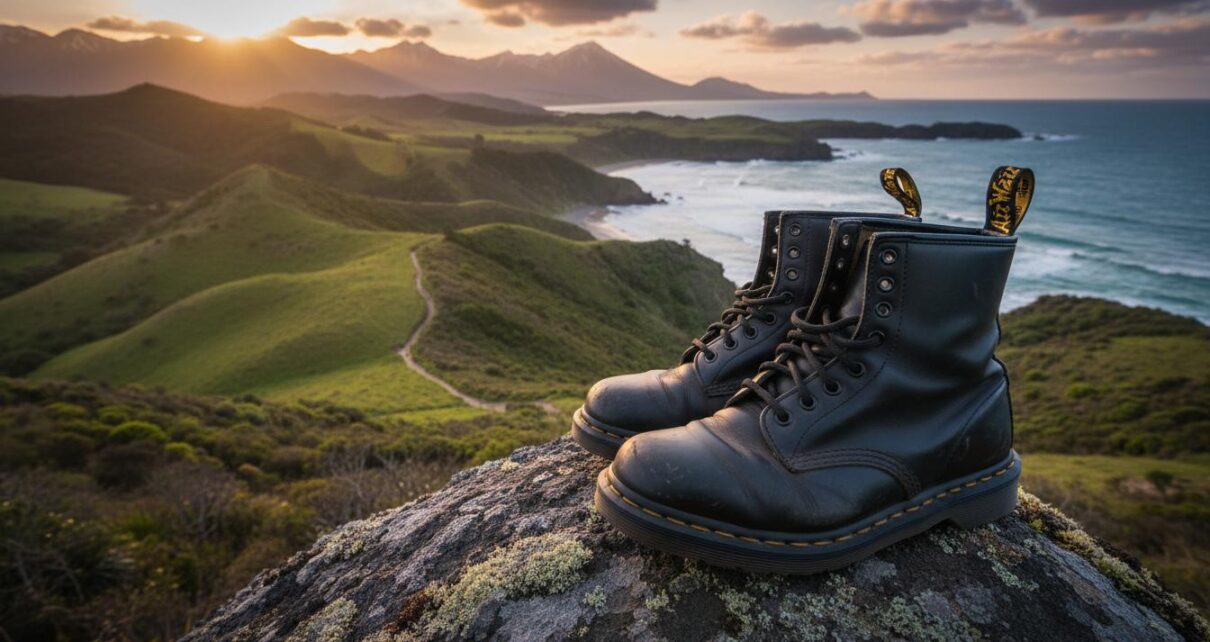
Dr. Martens boots have a way of sticking around. They handle wet footpaths, festival mud, and office carpets without blinking. If you’re hunting for the best info on dr martens nz—what to buy, how they fit, how to care for them, and where to shop locally—this guide keeps it simple and practical for Kiwi conditions.
What is
Dr. Martens is a British footwear brand known for its air-cushioned “AirWair” sole, yellow welt stitching, and tough-as-nails leather. The classic lace-up boot (the 1460, launched in 1960) and its low-cut sibling (the 1461) are the icons. Today, you’ll find a full lineup: Chelsea boots, platforms, loafers, and vegan versions—many in unisex sizing.
In New Zealand, Docs are popular because they’re durable, look sharp with casual or workwear, and handle unpredictable weather better than most fashion-first shoes. The phrase dr martens nz often means: what’s available locally, how sizes convert to UK/NZ, and which models suit our climate and lifestyle.
How it works
Under the hood, Dr. Martens mix old-school construction with modern materials:
- AirWair sole: A PVC outsole with air pockets adds bounce and impact absorption.
- Goodyear welt: Most core styles are welted and heat-sealed, creating a rugged bond between the upper and sole.
- Leathers and synthetics: From thick Smooth leather to softer Nappa, plus vegan synthetics (often called Felix). Each breaks in differently.
- Traction patterns: Lug-style outsoles grip well on wet pavement, though they’re not technical hiking soles.
About resoling: some specialist cobblers can resole certain Dr. Martens, but it’s not as straightforward as traditional leather-soled boots because of the heat-sealed PVC sole. Expect variable results and ask a cobbler before you buy with resoling in mind.
Types / examples
These models cover most needs in the dr martens nz landscape:
- 1460: The 8-eye lace-up boot. The original silhouette. Good all-rounder.
- 1461: 3-eye shoe. Office-friendly, works with uniforms that require black leather shoes.
- 2976: Chelsea boot. Easy on-off, clean profile, great for commuting.
- Jadon: Platform 8-eye boot with a chunky sole and side zip.
- Bex sole variants: Slight platform on classics (e.g., 1461 Bex) for extra height and grip.
- Adrian loafer: Tasselled or kiltie loafer—preppy with attitude.
- Sinclair: Zip-front boot with removable kiltie and platform sole.
- Vegan 1460/1461: Felix Micro synthetic upper; no animal by-products.
- Winterized lines: WarmWair linings and WinterGrip outsoles for colder, wetter days.
Popular models compared
| Model | Upper Material (typical) | Sole Height | Break-in Feel | Best For | Notes |
|---|---|---|---|---|---|
| 1460 | Smooth or Pascal (softer) leather | Standard | Moderate (Smooth), easier (Pascal) | Everyday, gigs, weekend wear | The classic 8-eye; versatile with jeans or dresses |
| 1461 | Smooth leather | Standard | Moderate | Office casual, uniforms | Low profile; can polish up smart |
| 2976 Chelsea | Smooth or Greasy leather | Standard | Light to moderate | Commuting, easy daily wear | Elastic gussets make on/off quick |
| Jadon | Smooth leather | High (platform) | Moderate | Statement looks, extra height | Side zip helps with lacing |
| Adrian Loafer | Polished or smooth leather | Standard | Light to moderate | Smart-casual | Great with wide-leg trousers |
| Vegan 1460 | Felix Micro (synthetic) | Standard | Light to moderate | Animal-free option | Easier to maintain; no leather conditioners |
Pros and cons
- Pros
- Durable build and protective uppers for daily wear.
- Timeless look that works across styles and seasons.
- Air-cushioned comfort once broken in.
- Unisex sizing and a wide range of models, including vegan.
- Handles NZ’s wet footpaths and variable weather better than most fashion boots.
- Cons
- Break-in can be tough with some leathers.
- Heavier than runners or minimalist boots.
- Not a technical hiking boot; limited for tramping.
- Some models are harder to resole.
How to use or choose
Step-by-step: choose the right pair for New Zealand
- Pin down your main use. Daily commute? Festival season? Smart-casual office? Match model to need (1460/2976 for all-round; 1461 for office; Jadon for bold style).
- Pick your leather. Smooth is classic but stiffer; Pascal or Nappa breaks in faster; vegan Felix is low-maintenance.
- Confirm your size in UK terms. Dr. Martens primarily use UK sizing. If you’re between sizes, many buyers go down due to a roomy fit. Check a current size chart for UK-to-EU/US/NZ conversions.
- Think weather. For regular rain, treat leather with a water-resistant wax. Consider WarmWair/WinterGrip lines for colder, slick conditions.
- Try before you buy if possible. With thicker socks. Your longest toe shouldn’t hit the front; midfoot should feel secure, not pinched.
- Break them in gradually. Start with 1–2 hour wear sessions at home and use thick socks or heel pads until the leather softens.
- Protect and care. Use a proper leather cleaner and conditioner (e.g., neutral balm). For vegan uppers, a damp cloth and mild soap usually do the trick.
- Buy from authorised sellers in NZ. You’ll get GST receipts, local returns, and coverage under the Consumer Guarantees Act for faults.
Fit and sizing tips for NZ shoppers
- Most core styles are unisex and listed in UK sizes. Double-check the box label and retailer’s chart.
- Half sizes are rare. If you’re between sizes, a snug fit often breaks in well; a heel grip or insole can fine-tune fit.
- Width is generally standard. If you have wide feet, softer leathers (Pascal/Nappa) or lace-up styles offer more give than a Chelsea.
Care for NZ conditions
- Rain: Standard leather is water-resistant, not waterproof. Apply a wax or balm to help repel water. Dry away from direct heat.
- Beach trips: Salt can dry leather. Wipe down after exposure, then condition.
- Mud: Let it dry, brush off, then clean with a damp cloth and recondition.
- Storage: Use shoe trees or stuff with paper to hold shape between wears.
Where to buy in New Zealand
To keep it simple—and safe—shop through the brand’s official online presence for our region or authorised NZ retailers. Many Kiwis buy from large footwear chains and trusted independents, as well as their online stores. Look for:
- Authorised status on the retailer’s site.
- GST-inclusive pricing in NZD.
- Clear returns and warranty information for New Zealand customers.
Buying overseas? NZ’s low-value GST rules usually mean GST is collected at checkout. Check final landed cost, shipping times, and return logistics before you commit.
Authenticity checklist
- Branding: Consistent logos on the insole, swing tags, and heel loop.
- Build: Even stitching, clean welt, solid feel. No glue smears or uneven cuts.
- Packaging: Branded box with size/colour codes that match the boot’s labels.
- Retailer: Prefer authorised stores and sellers that provide NZ GST receipts.
FAQ
Are Dr. Martens good for New Zealand weather?
They handle rain and cool days well when treated with wax or balm. For frequent wet conditions, pick models with water-resistant finishes or winter features. They’re not fully waterproof unless specifically labelled.
Do Dr. Martens run true to size?
They’re sized in UK measurements and often run a bit roomy. If you’re between sizes, many buyers size down. Always check the current size chart and, if possible, try on with the socks you plan to wear.
How long do they take to break in?
Anywhere from a few wears to a couple of weeks, depending on the leather. Softer leathers (Pascal, Nappa) are quicker; Smooth leather takes more patience. Short wear sessions and thicker socks help.
Can I wear Docs for tramping?
Not recommended. They’re durable city and casual boots, but they lack the support, flex, and traction you need for technical hiking tracks. Use proper hiking boots for tramping.
How do I clean and protect them?
Brush off dirt, wipe with a damp cloth, then apply a leather conditioner or wax. For vegan uppers, skip leather products—use mild soap and water. Always dry at room temperature away from heaters.
Can I resole Dr. Martens in NZ?
Sometimes. Because many models use a heat-sealed PVC sole, resoling requires a specialist and isn’t guaranteed. Ask a reputable cobbler about your specific model before planning on a resole.
What if my pair has a manufacturing fault?
Buying from NZ retailers gives you protection under the Consumer Guarantees Act. Contact the retailer first; they’ll assess and offer a remedy for genuine faults. Brand warranties may also apply—check your proof of purchase and time frames.
Are Vegan Dr. Martens durable?
Yes, they’re built to the same standards and are easy to maintain. The feel is different from leather, but durability for everyday wear is comparable.
Which model is best for work?
The 1461 shoe often suits offices and uniforms. The 2976 Chelsea also dresses up neatly. If your workplace is casual, the 1460 boot covers a lot of ground.
How can I style them in NZ?
- Casual: 1460s with straight-leg jeans and a knit for winter.
- Smart-casual: 1461s with chinos and an Oxford shirt.
- Edgy: Jadons with a midi skirt or wide-leg trousers.
Final tips for dr martens nz shoppers
Start with the use-case, choose the right leather, and confirm your UK size. Break them in slowly, protect them from the rain, and buy from authorised NZ sellers for easy returns and consumer protection. Do that, and your Docs will earn their keep for years.